
Description
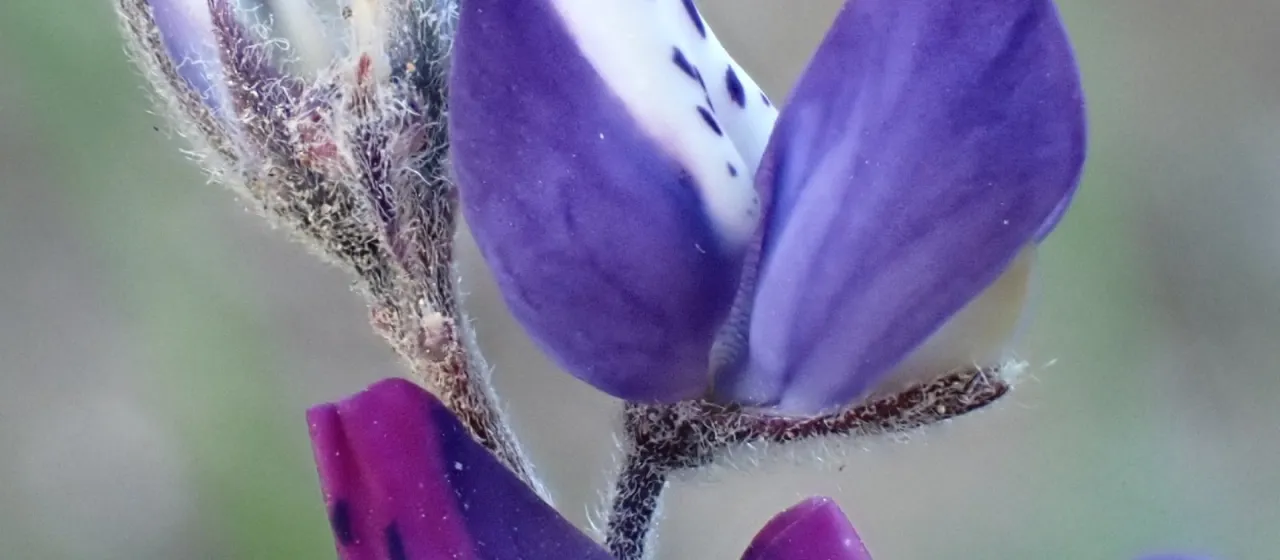
Two-tone lupine (Lupinus bicolor) is an annual herbaceous plant belonging to the Fabaceae family. It is recognized for its distinctive blue and white floral display, which is characteristic of this species. In modern agriculture, it is valued primarily for its ecological role as a nitrogen-fixing plant that improves soil fertility naturally.
This species is native to western North America, ranging across diverse environments from the coastal regions to the inland plains. Its natural habitat includes open fields and grassy slopes where it thrives under high light exposure. Its presence in agricultural systems is often encouraged to support sustainable farming practices.
Botanically, Lupinus bicolor features a pubescent, branching stem and palmately compound leaves that help the plant withstand dry periods. The plant typically reaches a modest height, making it easy to manage in field conditions. Its ability to produce high quantities of biomass makes it a preferred choice for cover cropping in specific regional programs.
For successful cultivation, the crop requires well-drained, sandy or gravelly soils with a neutral pH level. Proper site selection is crucial as the plant does not tolerate waterlogging. Agricultural management focuses on timely sowing, which usually takes place in late winter or early spring to ensure the plant establishes itself before the heat of summer.
- Requires full sun for optimal bloom.
- Prefers low-nutrient soils where it can compete effectively.
- Avoid over-fertilization with nitrogen to maximize symbiotic root nodule development.
Key хозяйственные uses include its application as a soil stabilizer and a green manure crop. Regarding health, the plant is susceptible to root rots if drainage is inadequate and can be targeted by aphids and beetles. Proactive scouting and proper water management are the most effective ways to mitigate these typical agricultural challenges.