
Description
Tailcup lupine (lat. Lupinus caudatus) is a perennial herbaceous plant belonging to the Fabaceae (legume) family. It is a highly resilient species recognized for its adaptability to arid environments and its essential role in atmospheric nitrogen fixation, which significantly improves soil fertility in natural and managed landscapes.
The plant originates from the western regions of North America, where it typically inhabits dry mountain slopes, foothills, and open woodland areas. Its natural distribution is largely concentrated in regions characterized by distinct dry seasons and well-drained geological formations, making it a key plant for ecological restoration projects.
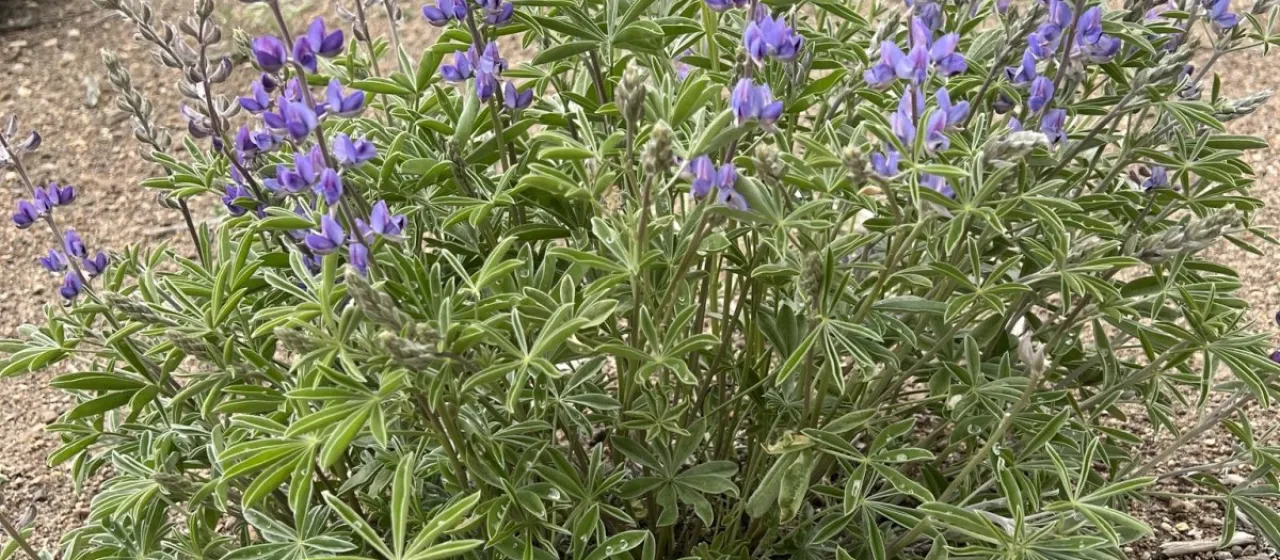
From a botanical perspective, the plant features a deep taproot system, which allows it to thrive in nutrient-poor, rocky substrates. The stems are typically erect and pubescent, supporting palmately compound leaves that often exhibit a silvery-green appearance. The flowers, ranging from deep blue to purple, are arranged in terminal racemes, forming the characteristic appearance that identifies this species.
Regarding cultivation requirements, Tailcup lupine demands well-drained, sandy, or gravely soils and full sun exposure. It is highly drought-tolerant once established and does not thrive in heavy, waterlogged, or clay-heavy soils. The agronomic management focuses on providing enough space for root development and managing weed competition during the early stages of growth.
The primary agricultural and environmental applications include:
- Supporting biodiversity and providing forage for grazing animals.
- Serving as a nitrogen-fixing cover crop for soil enrichment.
- Providing erosion control on steep or degraded slopes.
- Ornamental value in xeriscape and sustainable garden designs.
In terms of plant health, the species can be susceptible to fungal pathogens like powdery mildew and various leaf spot diseases if humidity levels remain consistently high. Insects, particularly aphids and weevils, may impact seed production or leaf vitality. Implementing proper site selection and ensuring good drainage are the best preventive measures for sustainable cultivation.