
Description
Bush lupine (Lupinus excubitus) is a prominent member of the Fabaceae family, recognized for its exceptional resilience in semi-arid environments. It is a perennial shrub that displays distinct xerophytic characteristics, making it an excellent candidate for regions experiencing significant water stress and nutrient-poor soil conditions.
Native to the dry, mountainous, and desert regions of California and northern Mexico, this species has adapted to survive in harsh, sun-drenched habitats. Its distribution is primarily limited to areas with mild winters, as the plant is not highly frost-hardy and thrives best in climates where temperature fluctuations are relatively moderate throughout the year.
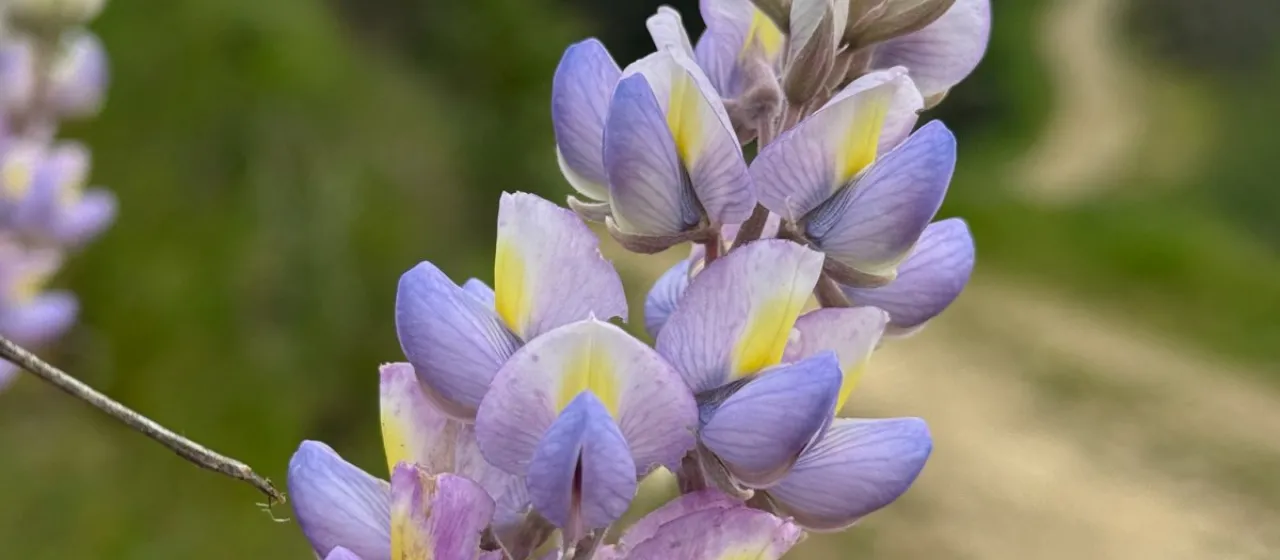
The botanical profile of Lupinus excubitus includes deeply rooted structures and specialized leaves covered in silvery hairs. These hairs reflect intense ultraviolet radiation and minimize water loss. The flowers are typically arranged in dense, upright spikes and feature complex patterns of blue, lavender, and white, which serve as a critical food source for local pollinator populations.
Regarding agricultural management, the species requires minimal intervention, provided that the site selection is appropriate. It demands well-draining, coarse-textured soils to prevent root asphyxiation. Unlike intensive monocultures, this plant excels when left to its own devices in rocky or sandy terrain. Excessive fertilization, especially with nitrogen-based compounds, should be avoided to prevent leggy growth and susceptibility to diseases.
Maintaining the health of these plants involves awareness of specific biological vulnerabilities:
- Root rot pathogens (such as Phytophthora) that thrive in wet, poorly drained soil.
- Powdery mildew outbreaks during humid, low-airflow weather.
- Infestations by aphids or weevils that specifically target the tender foliage and developing seed pods.