
Description
Lupinus formosus, commonly known as the western lupine, is a perennial herbaceous plant belonging to the Fabaceae family. It is a highly resilient legume characterized by a robust root system and specialized root nodules that house nitrogen-fixing bacteria, significantly enhancing soil fertility in its natural habitats.
The species is native to western North America, with its primary distribution centered in California. It is well-adapted to Mediterranean climates, characterized by dry, hot summers and cool, wet winters. Lupinus formosus thrives in diverse ecological niches, including coastal valleys, grassy hillsides, and open woodland edges, showing remarkable resilience to environmental stress.
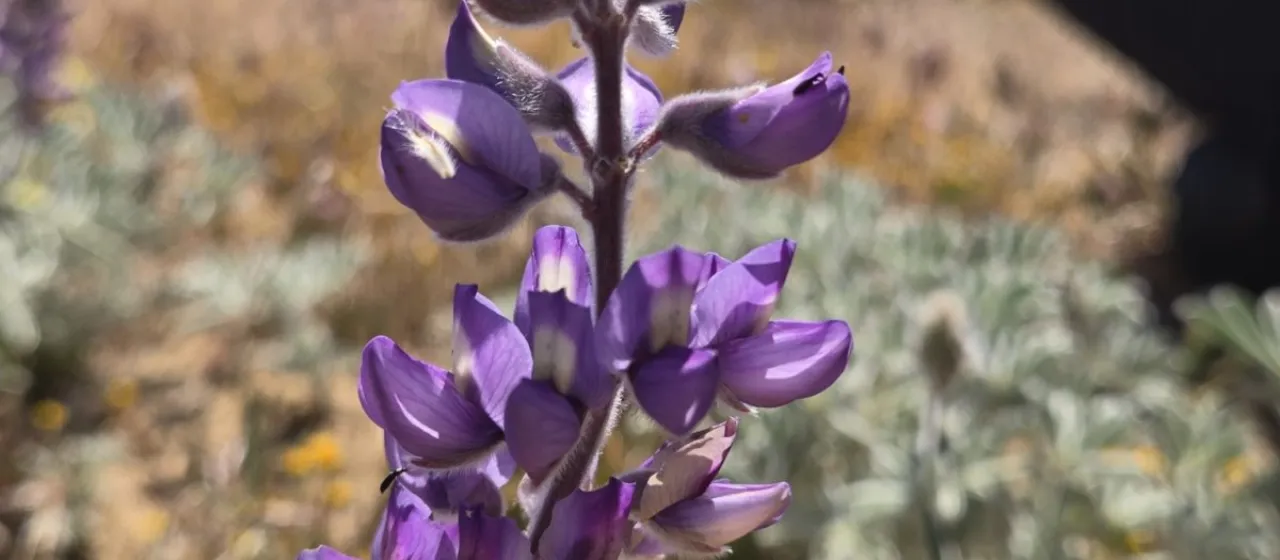
Botanically, the plant grows as a subshrub, typically reaching heights of 60 to 90 centimeters. Its foliage is covered with fine, silvery hairs that serve as an adaptation to reduce transpiration. The plant produces dense, showy racemes of blue, purple, or sometimes white flowers, which are highly attractive to native pollinators, especially bees.
Successful cultivation requires well-drained, porous soils, such as sandy or gravelly loams. The plant is notoriously intolerant of waterlogged conditions, which often lead to fungal pathogens and root decay. Regarding maintenance, it requires full sunlight and thrives with minimal fertilization, as it possesses the inherent ability to supply its own nitrogen through symbiosis.
In agricultural and environmental contexts, Lupinus formosus is valued for its role in land reclamation and erosion control. Its ability to colonize disturbed or poor-quality soils makes it a candidate for habitat restoration. Furthermore, it serves as an excellent cover crop for stabilizing slopes, preventing nutrient runoff, and improving overall soil physical properties over time.
- Excellent drought tolerance once established
- Significant contribution to biological nitrogen fixation
- Erosion control via extensive root networks
- High value for pollinator conservation programs