
Description
Lupinus leucophyllus, commonly known as the woolly-leaved lupine, is a perennial herbaceous plant belonging to the Fabaceae family. This species is highly regarded for its resilience and ability to thrive in challenging environmental conditions where other crops might fail, making it a subject of interest for sustainable agricultural development.
Originating from the Western United States, particularly within the mountainous and prairie regions of the Pacific Northwest, this plant has adapted to harsh climates. Its native range extends across diverse ecosystems, allowing it to withstand both high-altitude temperatures and prolonged periods of drought, reflecting its sturdy genetic potential for diverse agricultural settings.
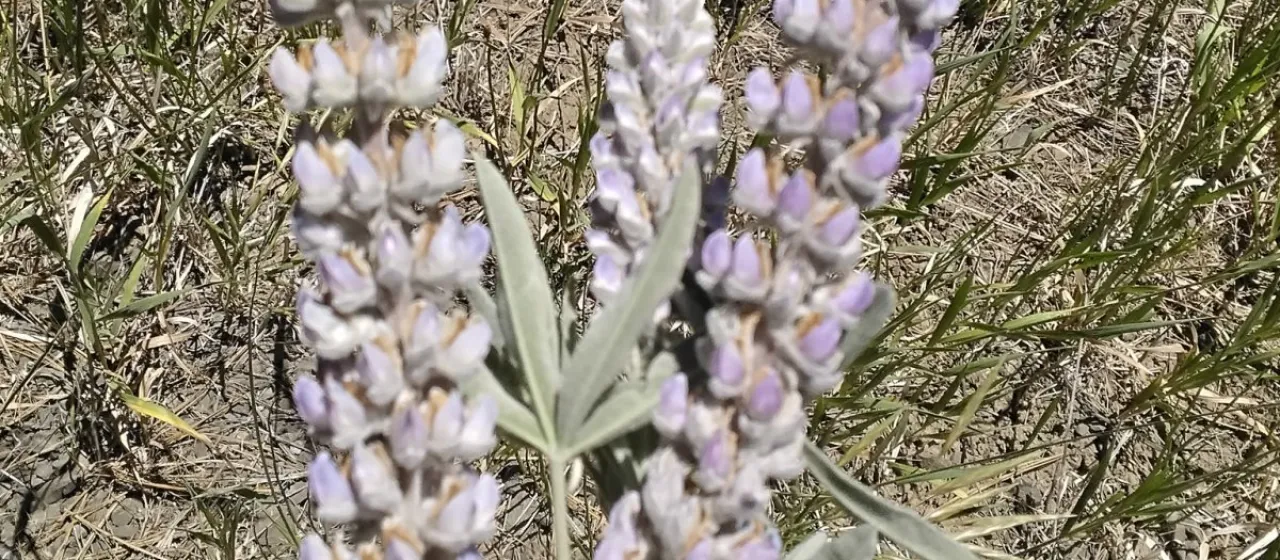
Botanically, the plant is characterized by its distinct, dense, white-to-gray woolly hairs that cover its leaves and stems, serving as an evolutionary defense against desiccation. It typically grows in clumps, producing tall, upright racemes of flowers that range from blue to violet. These features not only define its aesthetic appeal but also its efficient metabolic adaptation to solar radiation and water scarcity.
Regarding agrotechnical requirements, the crop favors well-drained, porous soils with a slightly acidic to neutral pH. It is particularly efficient in nutrient-poor environments due to its symbiotic relationship with nitrogen-fixing bacteria. Cultivation success largely depends on providing adequate spacing and avoiding over-irrigation, as the root system is highly sensitive to waterlogging, which can lead to rapid decay.
Agricultural and ecological applications include:
- Forage production for livestock grazing in rugged terrain;
- Use as a nitrogen-fixing cover crop to enhance soil fertility;
- Erosion control on sloped or disturbed land areas;
- Restoration projects for local pollinator habitats and biodiversity.
The primary health concerns for Lupinus leucophyllus involve fungal pathogens such as powdery mildew, especially in humid conditions, and root rots caused by soil pathogens. Pests including aphids and various seed-feeding insects can cause significant damage to the seed yield. Effective management includes regular field scouting, utilizing disease-resistant seed stock, and implementing rotation cycles to break the pest lifecycle.