
Description
Nootka lupine (Lupinus nootkatensis) is a perennial herbaceous plant belonging to the Fabaceae family. Renowned for its exceptional hardiness, this species is highly valued in northern agricultural zones for its ability to thrive in poor soils and fix atmospheric nitrogen, significantly contributing to soil health and fertility.
The species is native to the coastal regions of northwestern North America, stretching from Alaska to British Columbia. Due to its robust nature, it has been introduced to several northern European countries, where it has naturalized and is frequently used in landscape restoration and soil stabilization projects.
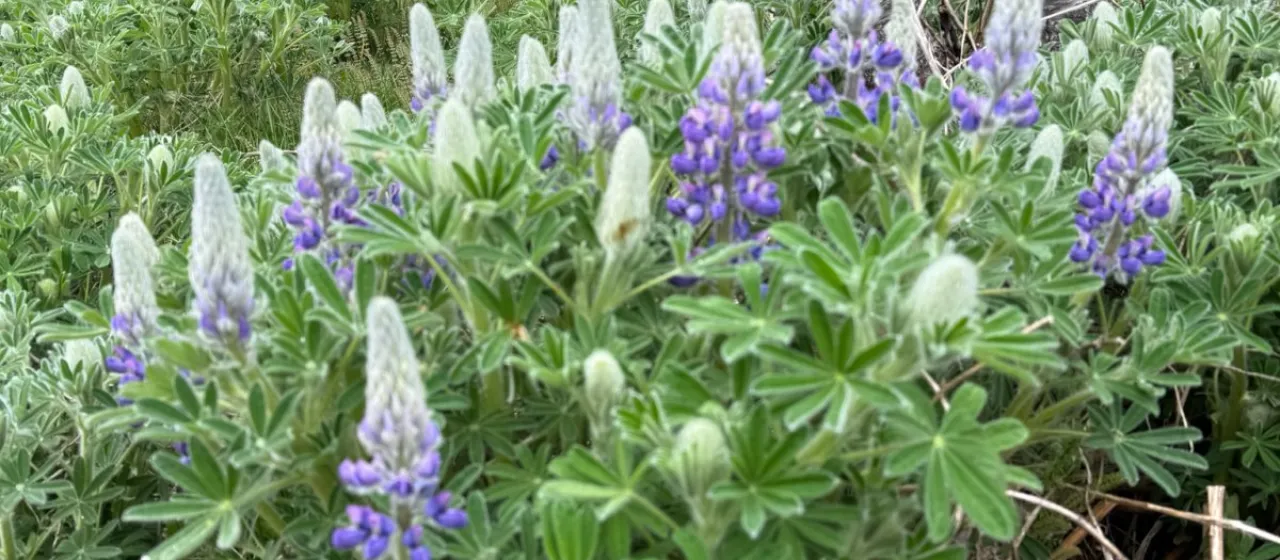
Botanically, Nootka lupine is characterized by its palmately compound, densely hairy leaves and tall, striking spikes of blue to purple flowers. The plant possesses a deep taproot system, which allows it to access water and minerals from soil layers unreachable by many other forage crops, making it a drought-tolerant solution in specific environments.
Cultivation requires well-drained, slightly acidic to neutral soils. In agricultural practice, it is often sown in the spring. The plant is relatively low-maintenance, requiring little additional nitrogen fertilization due to its symbiotic relationship with rhizobia bacteria. Proper seed bed preparation is essential to ensure uniform establishment and competitive growth against weeds.
In terms of agricultural utility, Nootka lupine serves primarily as a forage crop and a high-quality green manure. Its dense foliage effectively suppresses weed populations, while the accumulation of nitrogenous compounds in the soil provides a substantial boost for subsequent crops in a rotation, particularly in intensive or organic farming systems.
- High cold and frost tolerance.
- Significant soil nitrogen fixation.
- Excellent performance in soil erosion control.
- Adaptability to nutrient-poor and rocky substrates.
Common plant health issues include fungal pathogens such as anthracnose and powdery mildew, especially in humid conditions. Integrated pest management, including the selection of resistant cultivars and maintaining adequate plant spacing, is the recommended approach to minimize damage from both diseases and pests like aphids or seed-eating beetles.