
Description
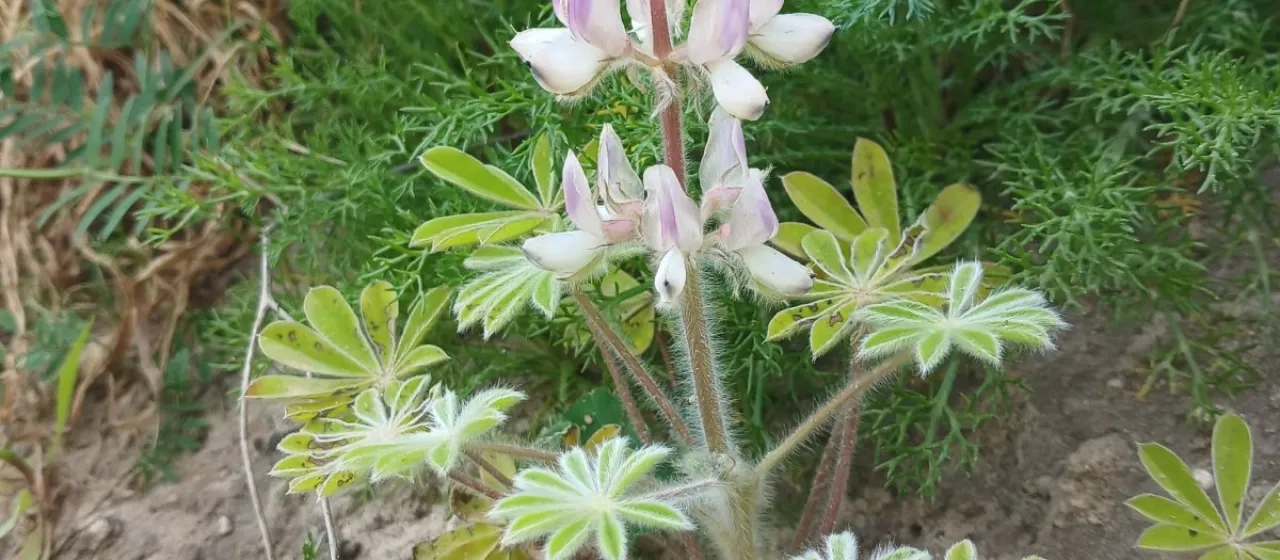
The Palestinian lupin (Lupinus palaestinus) is an annual herbaceous plant belonging to the Fabaceae family. It is a drought-tolerant legume species known for its resilience in harsh climates, primarily adapted to the sandy and arid landscapes characteristic of its native Eastern Mediterranean and Levantine ranges.
The plant originates from the arid and semi-arid regions of the Middle East. It has evolved to thrive in environments where seasonal water availability is highly variable. This evolutionary history makes Lupinus palaestinus a vital subject for research into sustainable agriculture in regions affected by increasing desertification and soil degradation.
Botanically, this species is distinguished by its deep taproot system and pubescent foliage, which serves as a mechanism to minimize transpiration. The plant produces characteristic lupin inflorescences. Like many other members of the genus, its seeds are protein-rich, although wild forms often contain high levels of alkaloids that necessitate specific processing techniques for feed safety.
Agronomic management requires focusing on well-drained, porous soil types. The plant is highly susceptible to root diseases under conditions of waterlogging, making soil texture selection the most critical factor for successful cultivation. Its growth cycle is typically synchronized with the rainy season, allowing the plant to establish deep roots before the intense heat of the summer season begins.
Regarding its utility, the Palestinian lupin is primarily valued as a nitrogen-fixing green manure and a potential source of plant protein. It plays a significant role in ecological soil restoration by increasing nitrogen content through symbiotic activity. Furthermore, it is studied for its potential in creating forage blends that can withstand environmental stress better than traditional legume crops.
- Excellent drought tolerance.
- Superior ability to thrive in sandy soils.
- Significant nitrogen-fixing potential.
- Sensitive to high soil moisture levels.
- Highly specialized ecological niche.