
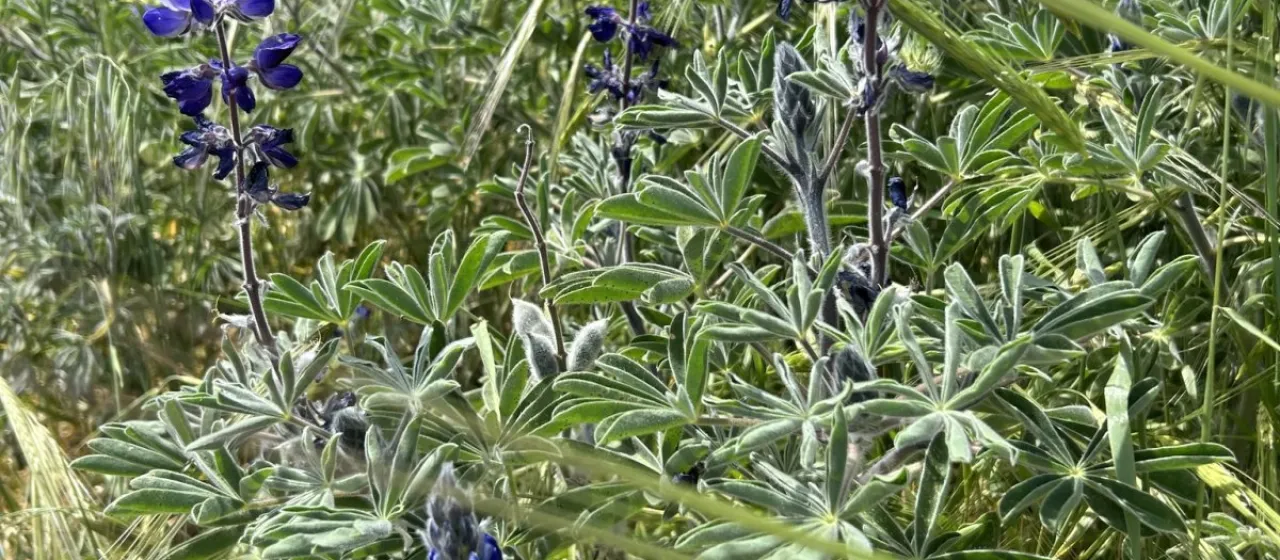
Description
Blue lupin (Latin: Lupinus pilosus) is an annual leguminous plant belonging to the Fabaceae family. It is distinguished by the dense, soft hair that covers its stems and leaves, providing a protective barrier against harsh environmental conditions. As a nitrogen-fixing legume, it plays a vital role in sustainable farming systems by naturally enriching the soil nitrogen pool.
The native range of this species is centered in the Eastern Mediterranean basin, spanning areas in the Middle East. Over generations, the plant has evolved to thrive in sun-drenched environments with well-defined seasonal patterns. Today, it is recognized globally for its versatility as both a high-protein animal feed and an effective green manure crop that enhances soil fertility and structure.
Botanically, the plant develops an erect growth habit with palmately compound leaves and striking terminal racemes of blue-violet flowers. Its deep taproot system is one of its most valuable traits, allowing it to penetrate compacted soil layers and access nutrients that are unreachable by shallower crops. The hair-like trichomes on its foliage also help regulate temperature, making it resilient in warm climates.
To achieve optimal growth, blue lupin requires well-drained, sandy or loamy soils with a near-neutral pH. Waterlogged conditions are detrimental and must be avoided to prevent root diseases. Agronomic practices typically involve sowing during the early spring or autumn, depending on local climate constraints, and ensuring the field is free from weeds during the establishment phase.
While the crop is highly beneficial, it is susceptible to specific pressures that farmers must monitor closely to maximize yield potential:
- Anthracnose, which can cause severe stem lesions.
- Fusarium wilt, particularly prevalent in poorly drained soils.
- Lupin aphids that can sap plant vigor and transmit viruses.
- Root-knot nematodes that target the nodule-forming root zones.