
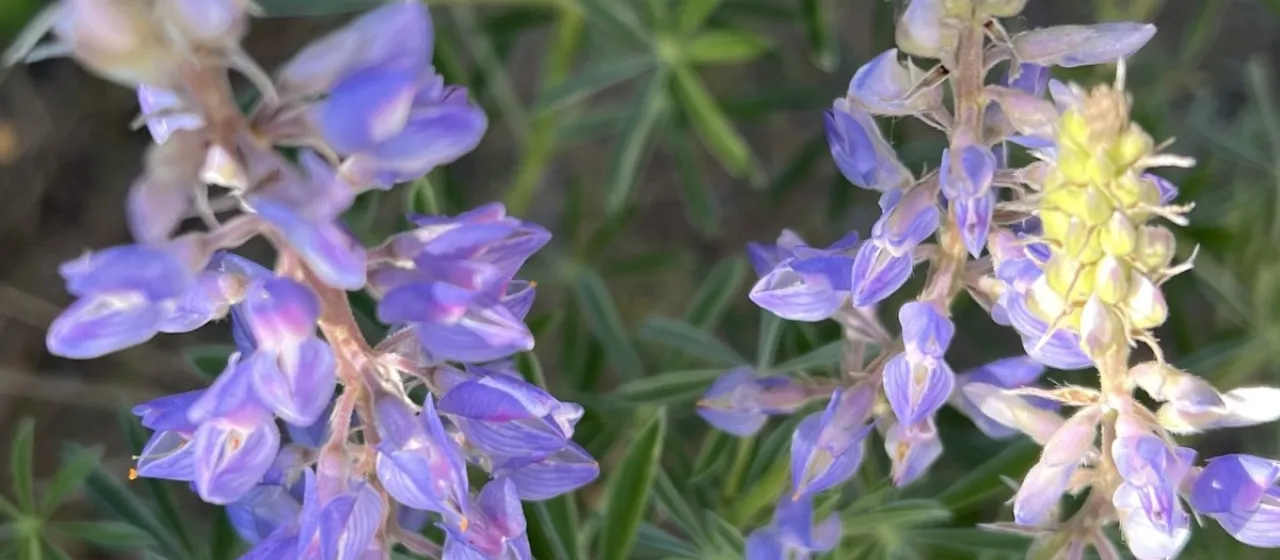
Description
Silky lupine (Lupinus sericeus) is a perennial herbaceous plant that belongs to the Fabaceae family. It is easily recognized by its distinctive dense, silky-like hairs covering the leaves and stems. These hairs serve as an adaptive mechanism, reducing water loss and protecting the plant from intense solar radiation in its native habitat.
The species is native to the western regions of North America, where it thrives in meadows, prairies, and open woodlands. Its natural distribution range spans diverse altitudes, proving the plant's remarkable adaptability to varying climatic conditions. In agriculture, it is recognized for its ability to fix atmospheric nitrogen and improve soil fertility in harsh or nutrient-poor environments.
Botanically, the plant grows up to 60 cm tall, featuring palmately compound leaves and terminal racemes of blue to purple pea-like flowers. The root system is deep and woody, allowing the plant to reach deep groundwater reserves during dry spells. This robust root structure makes it an excellent candidate for soil stabilization projects and erosion control.
Silky lupine requires well-drained, sandy to loamy soils to reach its full potential. It prefers full sun exposure and is highly tolerant of drought once established. Soil pH should ideally be neutral or slightly acidic. In terms of agronomy, excessive irrigation must be avoided to prevent root and crown rot, which are the primary threats to the plant's health.
Key areas of хозяйственного use include:
- Landscape restoration and revegetation of disturbed lands.
- Use as a cover crop to enhance soil nitrogen levels.
- Pollinator habitat enhancement for agricultural ecosystems.
- Ornamental gardening due to its unique silver foliage and vibrant blooms.
Typical plant health issues include infestations by aphids and seed-eating weevils, which can significantly reduce seed yield if left unmanaged. Fungal pathogens, specifically powdery mildew and root rots, are common in areas with poor air circulation or excessive soil moisture. Proper crop rotation and field sanitation remain the most effective strategies for long-term disease prevention.