
Description
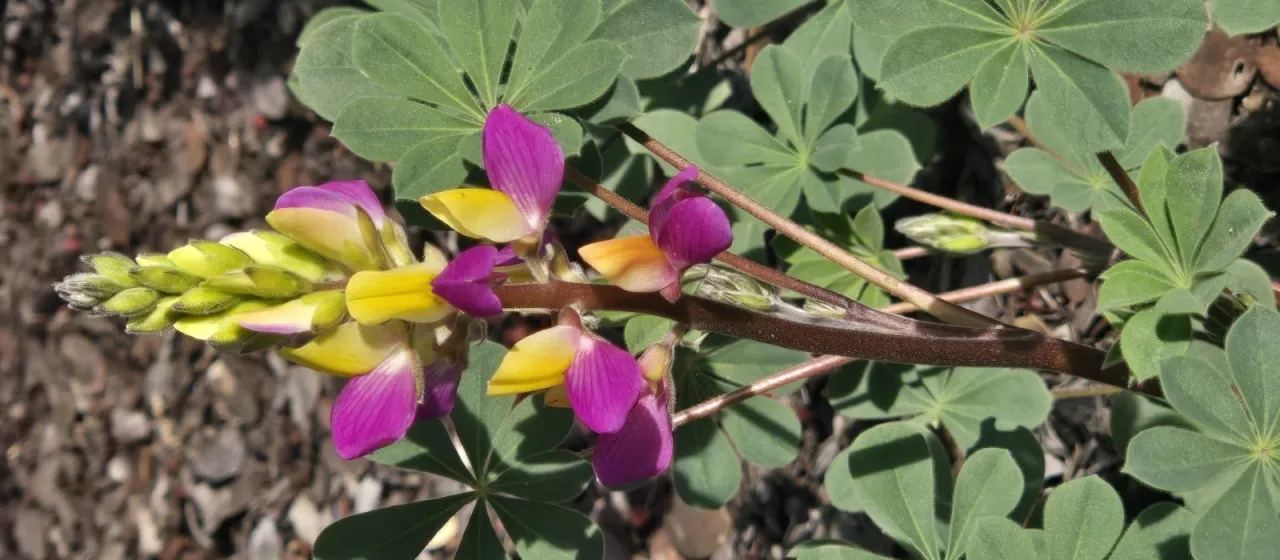
Lupinus stiversii, commonly known as the Harlequin lupine, is a distinct annual flowering plant belonging to the Fabaceae family. It is widely recognized for its vibrant, bicolored inflorescences featuring yellow and pink-to-magenta petals, which set it apart from other species within the diverse Lupinus genus.
Originating from the western regions of North America, particularly California, this species is typically found in dry, open habitats, including oak woodlands and chaparral ecosystems. It thrives in environments that experience a Mediterranean climate, characterized by warm, dry summers and mild, moist winters, which dictate the plant's seasonal growth cycle.
Botanically, the plant is characterized by its palmately compound leaves and an upright, branched stem structure. Like many legumes, it possesses the capability to fix atmospheric nitrogen through a symbiotic relationship with specific soil bacteria located in its root nodules, which enhances soil fertility in its immediate vicinity.
In terms of cultivation, Lupinus stiversii requires well-drained, sandy or gravelly soils to prevent root rot, as the plant is highly sensitive to waterlogged conditions. It demands full sun exposure to flourish and maintain its structural integrity. Gardeners should ensure minimal soil disturbance, as these plants generally do not respond well to frequent transplanting.
While primarily valued for its ornamental beauty and role in native plant restoration, one must monitor for common agricultural and botanical threats. These include fungal diseases such as powdery mildew, which occurs in humid conditions, and pests like aphids or seed weevils. Successful management involves choosing well-ventilated planting sites and avoiding excessive nitrogen fertilization.