
Description
Texas bluebonnet (Latin: Lupinus texensis) is an annual herbaceous plant belonging to the Fabaceae family. As a significant species within the lupine genus, it is celebrated for its spectacular display of blue flowers, which transform meadows into iconic landscapes during the spring season.
The native habitat of this plant is North America, particularly the state of Texas. It naturally occurs in prairies, open fields, and along roadsides, thriving in environments characterized by long periods of sunlight and well-draining soil. It is recognized as a staple in ornamental horticulture due to its historical and cultural significance in its native range.
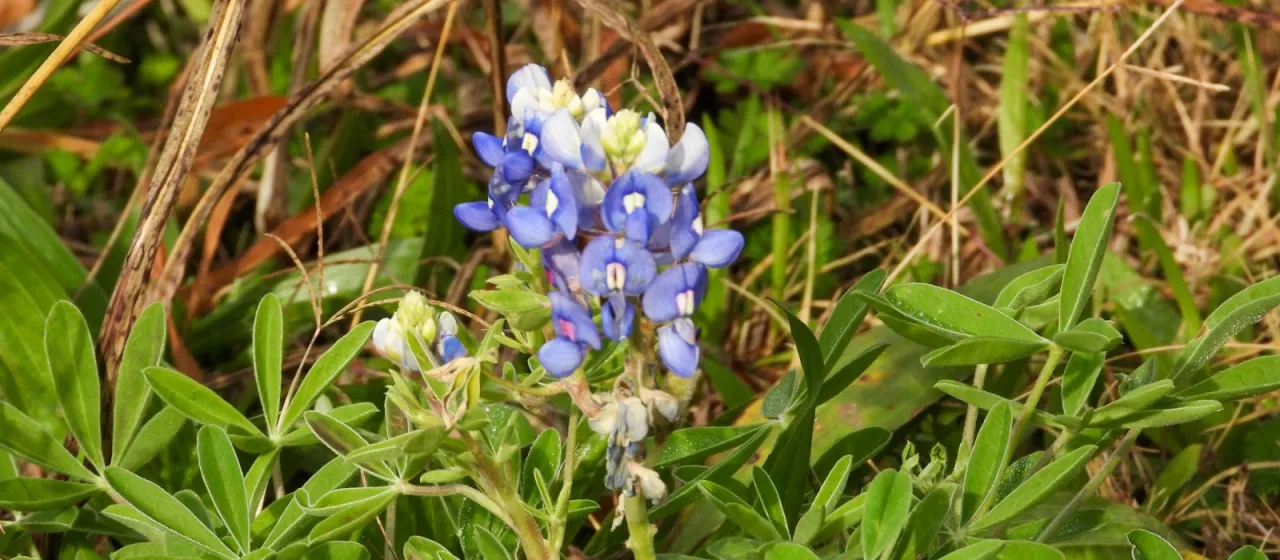
Botanically, the plant features palmately compound leaves covered with fine, silky hairs. The flowers are arranged in terminal spikes, exhibiting shades of blue and purple with a distinct white or reddish spot on the banner petal. The plant typically reaches a height of 20 to 50 cm, developing a taproot system that allows it to survive in dry conditions.
To successfully cultivate Lupinus texensis, one must provide full sun exposure and gritty, well-draining soil. It is highly drought-tolerant once established and does not require frequent irrigation. Heavy or clay-rich soils that retain moisture can be detrimental, leading to fungal pathogens and root rot, which are the most common physiological threats to the crop.
The primary use of the Texas bluebonnet is in ornamental landscaping and the restoration of native wildflower meadows. Effective agricultural management involves minimizing fertilization, as the plant effectively fixes atmospheric nitrogen. Key pests include aphids and larvae that feed on foliage, while common diseases involve powdery mildew, which can be managed by ensuring adequate air circulation around the plants.