
Description
Alpine woodrush (Luzula alpina) is a perennial herbaceous plant belonging to the Juncaceae family. While it visually resembles many common grasses, it is botanically distinct due to its unique leaf hairs and specific floral structure. This plant is well-regarded for its resilience and ability to thrive in harsh alpine environments where other vegetation often struggles.
The native distribution of this species is primarily concentrated in the mountainous regions of Europe, specifically within alpine and subalpine belts. As a specialized agricultural crop or ground cover, it is valued for its soil-binding properties. It is often found in stable communities, contributing to the biodiversity of high-altitude grasslands and meadow ecosystems.
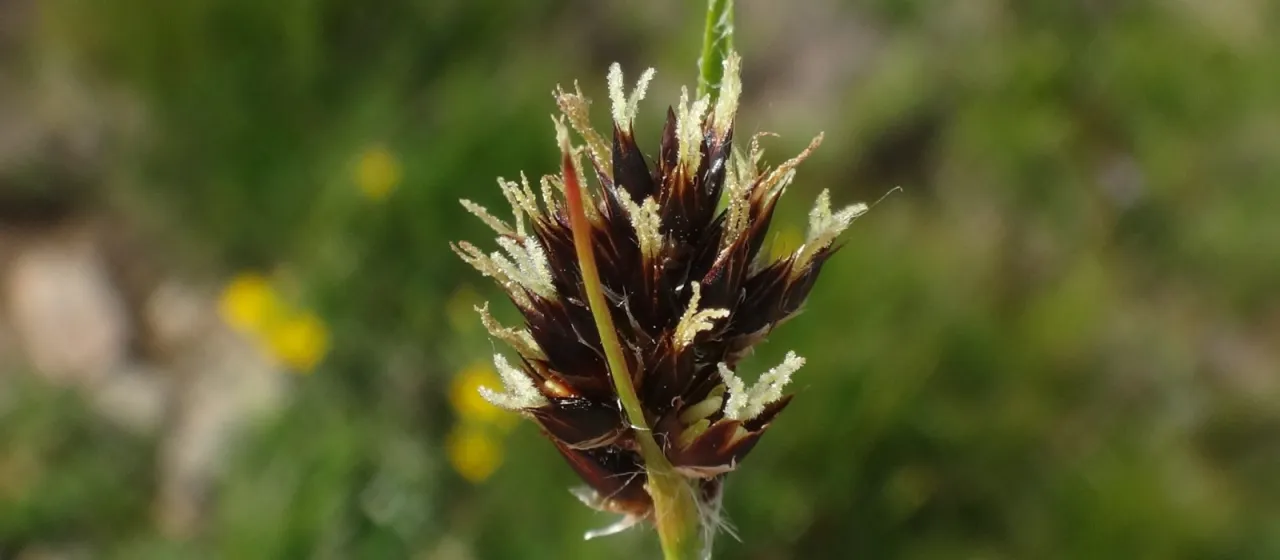
Botanically, Luzula alpina forms dense tufts or tussocks. Its leaves are narrow and linear, characterized by white, silk-like hairs along the margins, which serve as a physiological adaptation to reduce water loss. The inflorescence is a terminal cyme or panicle, producing small, inconspicuous flowers that bloom during the short alpine summer season.
Regarding cultivation, Alpine woodrush requires specific environmental parameters to succeed. It prefers acidic, nutrient-poor to moderately fertile soils with excellent drainage. In a controlled agricultural setting, it is essential to mimic these mountain conditions by avoiding waterlogged soils while ensuring consistent moisture during the establishment phase. It is not a high-output forage crop, but it offers ecological stability.
The primary uses for this plant include restoration ecology, as it is excellent for stabilizing disturbed mountain slopes. It also holds value in landscaping and horticultural projects that aim to replicate wild mountain environments. While not prone to major commercial pests, the plant can occasionally suffer from fungal leaf spots if humidity levels remain excessively high without adequate ventilation.