
Description
Canary woodrush (Luzula canariensis) is a perennial herbaceous plant belonging to the Juncaceae family. It is a distinctive member of the Luzula genus, known for its tufted growth habit and persistent evergreen foliage. This plant is valued in specialized horticulture for its elegant texture and ability to thrive in shaded environments.
The species originates from the Canary Islands, specifically found in the moist, forested highland regions. Due to this natural habitat, it is perfectly adapted to the humid, temperate conditions of subtropical ecosystems. Its cultivation outside its natural range requires a controlled environment that mimics these specific light and humidity conditions.
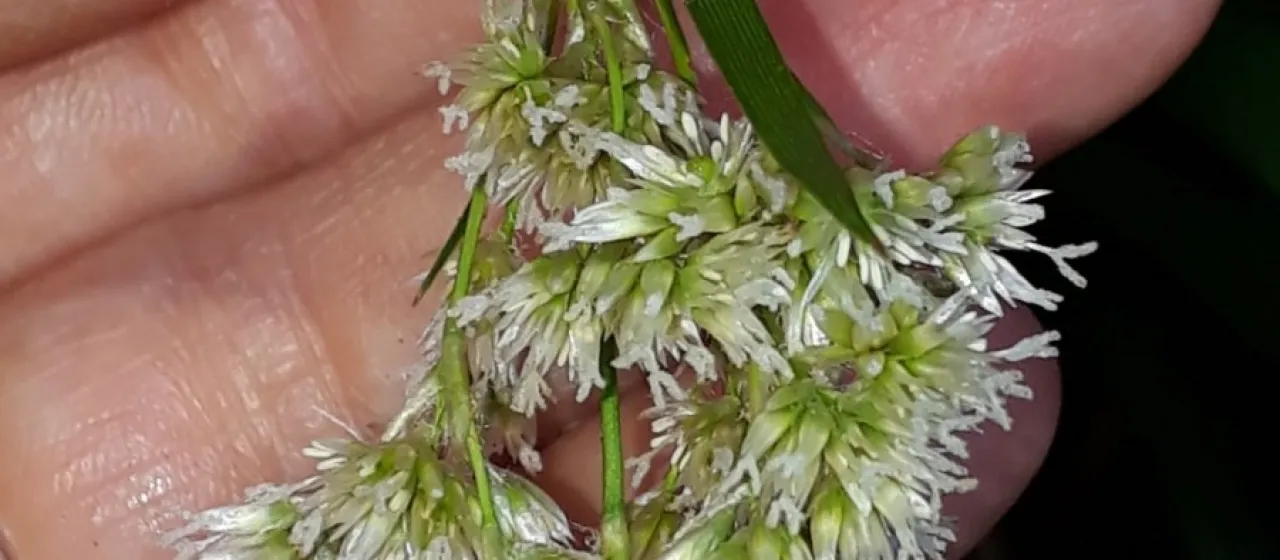
Botany-wise, the plant features narrow, grass-like leaves that are distinctly ciliate, meaning they have a fringe of hairs along the margins. The inflorescence consists of small, delicate flowers arranged in panicles on slender stalks. Its root structure is fibrous, aiding in soil stabilization and making it an effective choice for ground cover in shaded areas.
Agricultural and gardening requirements focus on soil moisture management and light exposure. It prefers moist, well-draining, slightly acidic soil. Unlike many common agricultural crops, this plant does not require high nitrogen fertilization; instead, it benefits from organic mulch. Planting in dense shade or dappled sunlight is essential to prevent leaf scorching and desiccation.
The primary use of Luzula canariensis is ornamental, serving as a structural element in woodland gardens or containers. While generally hardy, the plant is susceptible to root rot if drainage is insufficient. Common pests, such as aphids, may occasionally affect new growth in spring, though regular monitoring and proper environmental management are usually sufficient to maintain plant health.