
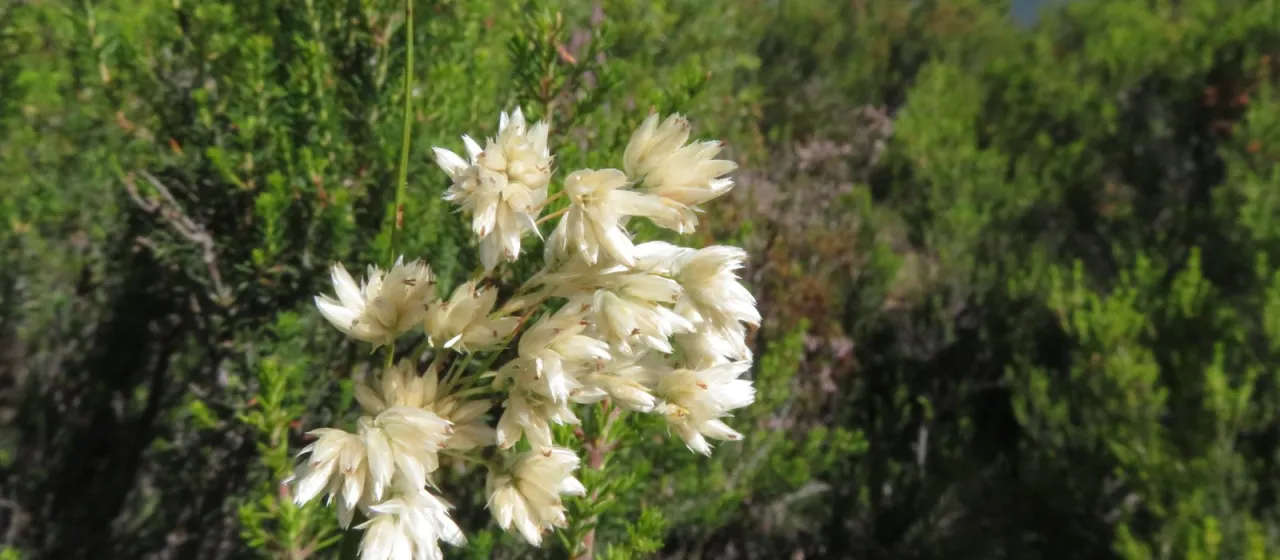
Description
Luzula lactea, commonly known as a type of woodrush, is a perennial herbaceous plant belonging to the Juncaceae family. This species is recognized for its unique aesthetic, characterized by foliage that often retains a distinct texture and delicate, milky-white inflorescences. It is a niche species of interest for botanical gardens and specialized plant collectors.
The native range of Luzula lactea is centered in the mountain regions of Southwestern Europe, particularly within the Iberian Peninsula. It thrives in high-altitude meadows and woodlands, indicating a preference for habitats that provide consistent moisture and protection from extreme temperature fluctuations. Its natural resilience is a product of evolution in these harsh, alpine-like environments.
Botanically, the plant is distinguished by its linear leaves which are usually adorned with long, soft hairs, a feature typical of the Luzula genus. The inflorescences appear as loose panicles of small, creamy-white flowers. The plant typically forms compact clumps or tussocks, which are effective in stabilizing the soil and providing cover in its natural habitat.
Cultivation requirements involve providing well-draining, slightly acidic soil, which mimics its natural montane environment. It is best suited for semi-shaded locations, as intense midday sun can scorch the foliage and hinder development. Maintenance is relatively low, requiring primarily the removal of dead foliage in early spring to encourage new growth.
The primary use of Luzula lactea is in ornamental horticulture, where it is utilized for naturalistic planting designs and shade-tolerant landscapes. In terms of plant health, it is generally robust, but gardeners should be cautious of root rot resulting from poor soil drainage. Common pests include slugs and occasional infestations of plant-parasitic nematodes in stressed populations.