
Description
Luzula lutea, commonly known as yellow woodrush, is a perennial herbaceous plant belonging to the Juncaceae family. Although it is often grouped with ornamental grasses due to its appearance, it is taxonomically distinct and shares closer biological traits with rushes. The plant forms neat, dense clumps with linear leaves that maintain an attractive appearance throughout the growing season.
The native habitat of this species is found in the mountainous regions of Central and Southern Europe. It is well-adapted to cooler climates and thrives in the conditions of the subalpine zone. In agricultural and horticultural contexts, it is recognized for its hardiness and ability to thrive in semi-shaded environments where many other species might struggle.
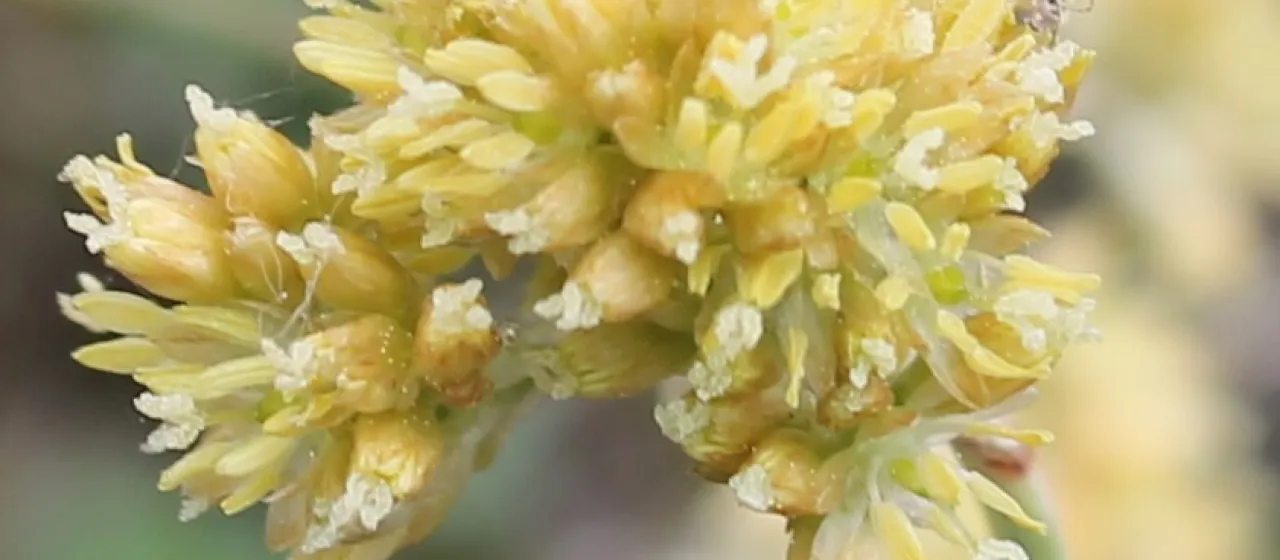
Botanically, Luzula lutea is characterized by its inflorescences, which consist of small, bright yellow-gold flowers arranged in clustered spikes. The leaves are distinctively hairy, a feature typical of the Luzula genus, which provides a soft texture to the foliage. Its root system is fibrous and compact, allowing it to maintain a stable, non-invasive habit within the garden environment.
The cultivation requirements for this plant focus primarily on moisture and soil chemistry. Luzula lutea prefers acidic to neutral soils that are consistently moist but well-drained. It is essential to avoid sites with waterlogging, as the roots are sensitive to anaerobic conditions. While it thrives in partial shade, it can tolerate more light if the soil moisture levels are adequately managed through mulching.
In landscaping, this species is highly valued for its year-round decorative potential, particularly in woodland gardens or rockeries. It is generally resistant to pests and diseases, though poor drainage may encourage root rot. Regular maintenance is minimal, consisting mainly of spring cleanup to remove senescent foliage, ensuring the plant remains vigorous and aesthetically pleasing for future growth cycles.