
Description
Small-flowered woodrush (Luzula parviflora) is a perennial herbaceous plant belonging to the Juncaceae family. Often mistaken for a true grass, it is a specialized plant species known for its resilience and ability to thrive in harsh environments where many other species fail to establish.
The native range of this plant encompasses boreal forests, mountainous regions, and tundra areas throughout the Northern Hemisphere. Agronomically, it is recognized for its utility in ecological restoration, soil stabilization in fragile landscapes, and as a component of natural forage in high-latitude grazing areas.
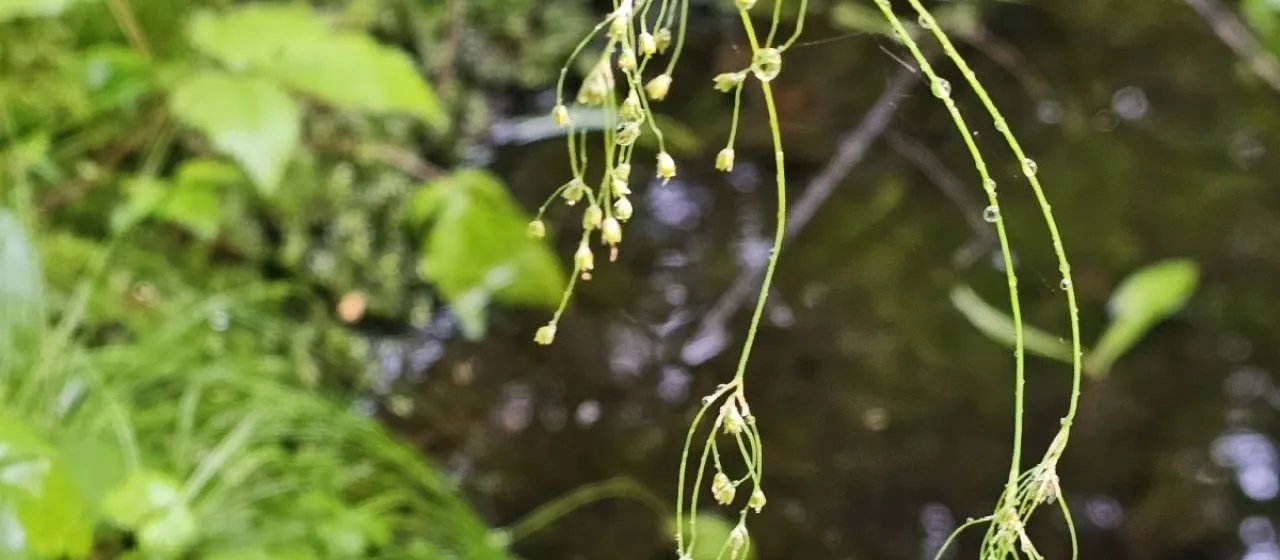
Botanically, the plant is characterized by loose tufts and thin, grass-like leaves with distinctive hairs on the leaf margins. It produces panicle-like inflorescences consisting of small, inconspicuous flowers that develop into seed capsules. Its robust root system makes it an excellent choice for preventing soil erosion in alpine and sub-alpine zones.
Cultivation requirements for Luzula parviflora include moist, acidic, and nutrient-rich soil. It is highly valued for its shade tolerance and exceptional cold hardiness. In terms of management, the plant requires minimal intervention, provided that soil moisture levels are consistent and competition from aggressive invasive weeds is controlled.
In terms of agricultural health, the plant is remarkably resistant to typical pests and diseases. Most issues encountered are related to environmental stress rather than biological pathogens. Ensuring proper drainage during winter is the most critical factor to prevent root rot and ensure the long-term survival of the crop in its native habitat.