
Description
Hairy wood-rush (Luzula pilosa) is a perennial herbaceous plant belonging to the Juncaceae family. While it often resembles common ornamental grasses in its habit and leaf shape, it is taxonomically distinct due to its unique floral structure and seeds, which are dispersed in capsules.
The plant originates from temperate regions of Europe and parts of Asia. It is naturally adapted to forest ecosystems, growing primarily in deciduous and coniferous woods. Its range extends across varying latitudes, where it thrives as a woodland floor species in shaded and damp environments.
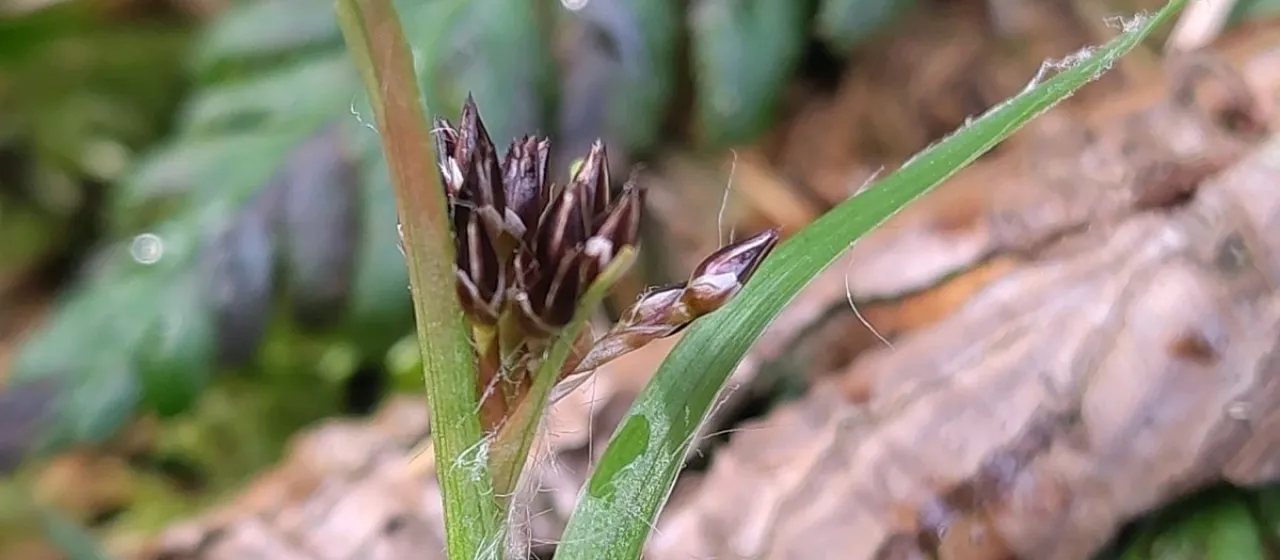
Botanically, it is characterized by creeping rhizomes and basal rosettes of linear leaves. The foliage is notable for long, scattered white hairs along the margins, which provide a distinct texture. In the spring, the plant produces slender, upright stems bearing terminal clusters of small, brownish flowers that add a delicate aesthetic to the plant.
In terms of cultivation, Hairy wood-rush prefers cool, shady, and moist conditions. It is well-suited for acidic to neutral soils that are rich in organic matter. Agrotechnically, the plant is low-maintenance, requiring little more than consistent soil moisture and occasional thinning to prevent excessive clumping in small garden beds.
The primary use of this crop is in ornamental horticulture and landscape architecture. It is an excellent choice for ground cover in areas where other grass species fail to thrive due to shade. Beyond its decorative value, it serves ecological purposes by preventing soil erosion and supporting local forest biodiversity in domestic garden settings.
The plant demonstrates high resistance to common agricultural pests and diseases. It is rarely troubled by aphids or leaf spot fungi, which makes it a robust choice for sustainable landscape management. Its primary health concerns are usually limited to excessive competition from weeds or severe drought during the establishment phase.