
Description
Lycianthes biflora is a perennial shrub belonging to the diverse Solanaceae family. Sharing a lineage with staple crops like tomatoes and potatoes, this plant is notable for its unique developmental morphology. It serves as an interesting subject for both academic research into botanical diversity and specialized horticultural production, where its specific properties are of high scientific interest.
Native to tropical and subtropical regions of Asia, the plant thrives in humid environments such as forest understories and mountain slopes. Its natural distribution is limited to areas with consistent warmth and moisture. In modern agricultural practice, it is primarily cultivated in controlled environments such as climate-regulated greenhouses to simulate its native habitat and prevent thermal stress.
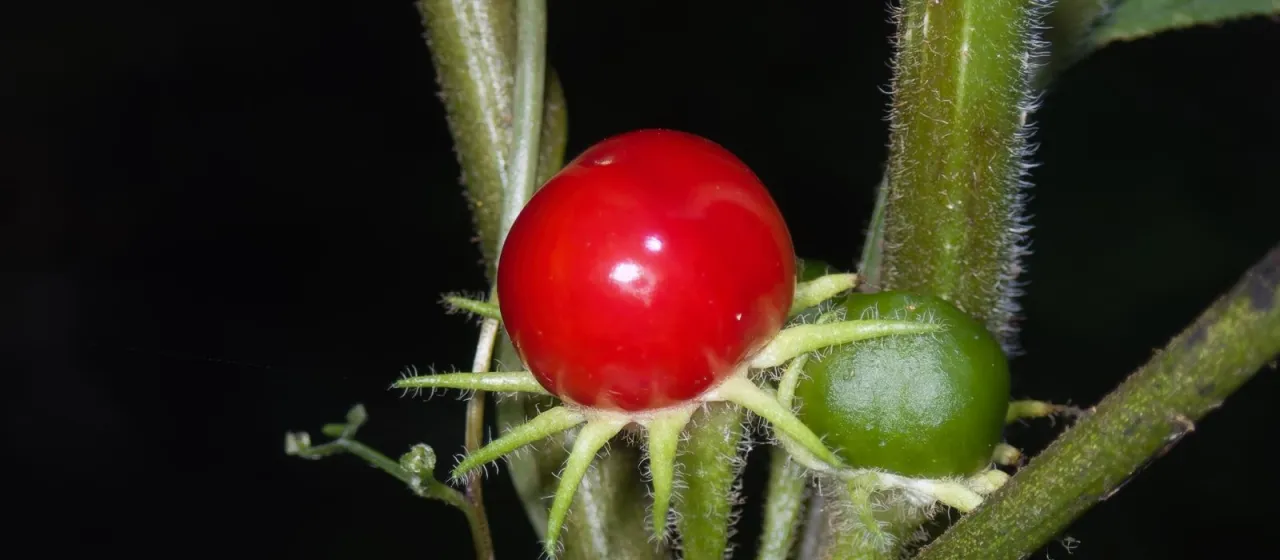
Botanically, the plant is characterized by its distinct, often star-shaped flowers and small, berry-like fruits. It exhibits a semi-woody growth habit, with foliage that is typically dense and deep green. The root system is relatively fibrous, requiring well-aerated soil to ensure proper nutrient uptake and to prevent the common physiological issues associated with waterlogging.
The agrotechnical requirements for Lycianthes biflora include high standards for soil nutrition and irrigation.
- The substrate must be porous, rich in organic matter, and maintain a slightly acidic pH.
- Consistent soil moisture is crucial, as the plant is intolerant to drought conditions.
- Adequate air circulation is necessary to mitigate the risks of fungal pathogens in dense foliage.
Regarding utilization, the species is mainly valued for its potential medicinal compounds and its aesthetic appeal in botanical gardens. Like many other members of the Solanaceae family, it is susceptible to typical pests such as spider mites, whiteflies, and aphids. Management of these pests, alongside preventative measures against root rot and blight, constitutes the primary focus of the plant's maintenance cycle.