
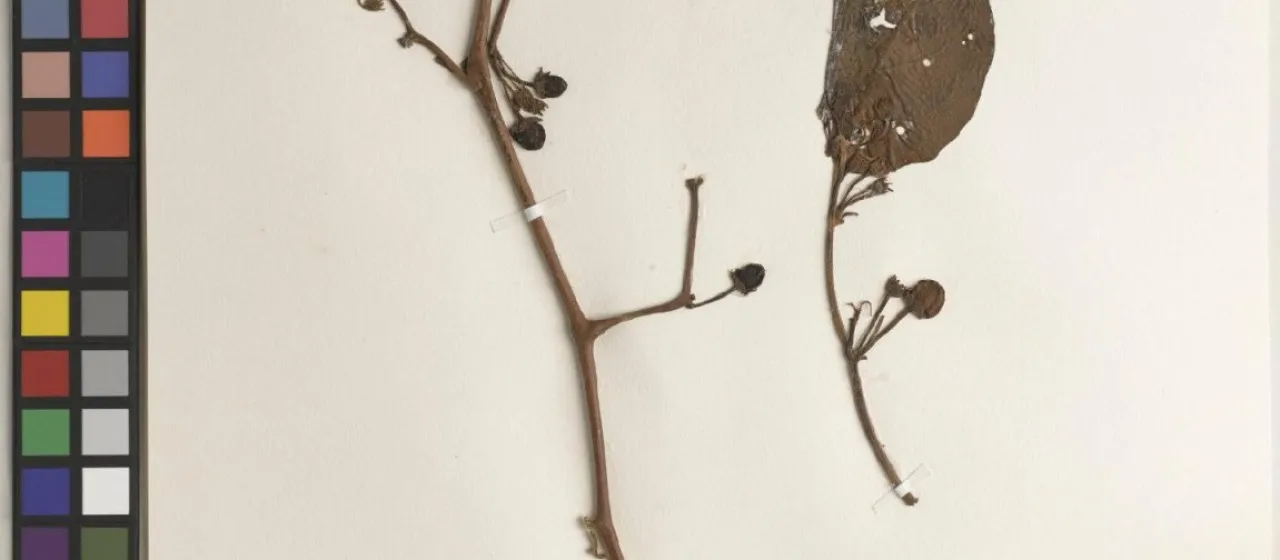
Description
Lycianthes glandulosa is a perennial plant species belonging to the Solanaceae (nightshade) family. This genus is closely related to the well-known Solanum group, sharing several developmental and structural traits common to many nightshade crops. While not widely cultivated as a staple food crop, it serves as a subject of significant interest in botanical studies and specialty plant collections.
Native to the tropical regions of Central and South America, the plant thrives in habitats characterized by warm temperatures and consistent moisture levels. Its natural distribution is primarily found within forest ecosystems, where it functions as part of the understory vegetation. Attempting to grow this species outside of its native range requires precise imitation of tropical climatic conditions to ensure survival and productivity.
Botanically, Lycianthes glandulosa is distinguished by the presence of glandular trichomes (hairs) on its stems and leaves, a key trait that differentiates it from other related genera. The plant generally develops into a shrubby form. Its flowers typically follow the star-shaped morphology common to the Solanaceae family, eventually producing berries that vary in size and color throughout their maturation process.
Agricultural success with this species depends on maintaining high-quality, humus-rich, well-draining soil with a slightly acidic to neutral pH. As a plant adapted to forest margins, it prefers bright, filtered sunlight rather than direct, harsh radiation. Irrigation management is critical, as the roots are sensitive to both waterlogging and prolonged drought conditions, necessitating a balanced moisture level in the substrate.
Effective management and maintenance of Lycianthes glandulosa involve several key practices to ensure plant health:
- Regular inspection for common Solanaceae pests like aphids, whiteflies, and spider mites.
- Implementation of preventative measures against root and stem rot caused by excessive humidity.
- Providing structural support for larger specimens to maintain proper airflow.
- Using balanced fertilizers to support the vigorous growth phase during warmer months.