
Description
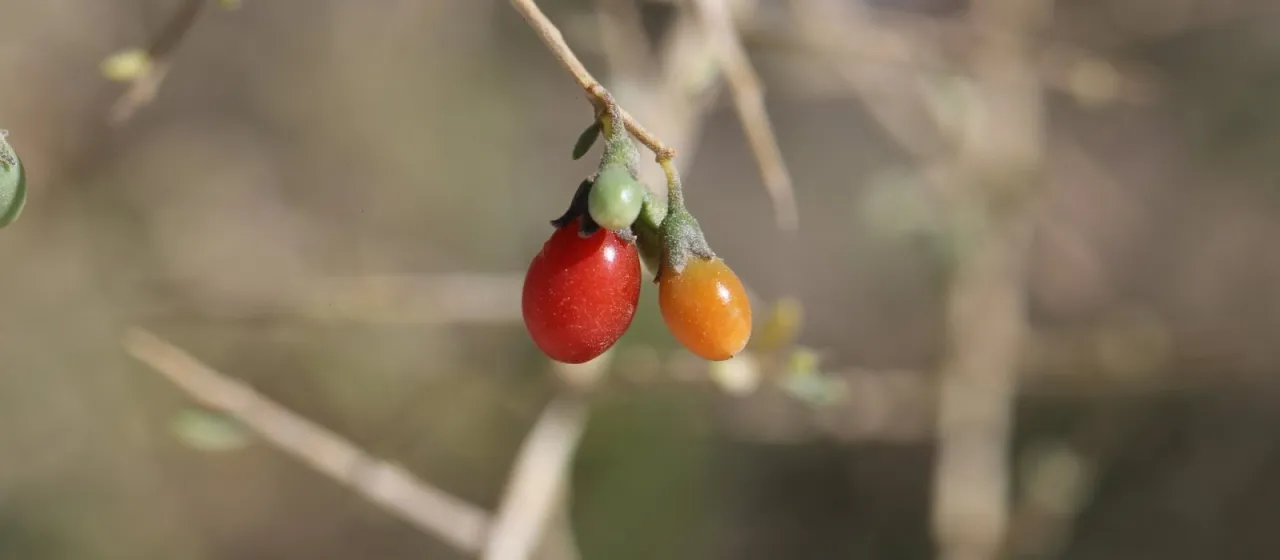
Chilean boxthorn (Lycium chilense) is a perennial shrub species within the Solanaceae (nightshade) family. This plant is a notable member of the Lycium genus, which is characterized by its resilience and ability to thrive in harsh environments that are typically unsuitable for more sensitive crops.
The native range of this plant is centered in the arid and semi-arid regions of South America, specifically within Chile and parts of Argentina. It has evolved to survive in water-limited ecosystems, making it a subject of interest for agriculture in regions experiencing desertification or severe drought conditions.
From a botanical standpoint, Lycium chilense is a densely branched, often thorny shrub that grows to a moderate height. Its leaves are small and semi-succulent, featuring adaptations such as a waxy cuticle to minimize transpiration. The flowers typically display the classic structure of the nightshade family, leading to the production of small, fleshy berries that are characteristic of the genus.
Regarding agronomic requirements, the plant thrives in well-drained, sandy, or rocky soils with a tendency towards alkaline pH. Irrigation management is critical; while the plant is drought-tolerant, supplemental water during the flowering and fruiting stages significantly increases overall yields. Proper pruning is also essential to manage the thorny growth habit and to promote a more productive, accessible structure for harvesting.
- Culinary and medicinal use: harvesting berries for phytochemical extraction.
- Soil conservation: utilizing the root system to prevent erosion in arid zones.
- Bio-fencing: planting as natural thorny barriers in agricultural fields.
The primary sanitary concerns for Lycium chilense involve root rot pathogens induced by waterlogged conditions and infestations by common Solanaceae pests, such as aphids and spider mites. Effective management involves maintaining a dry root zone environment and regular scouting for insect activity to prevent large-scale damage to the shrub foliage and fruit production.