
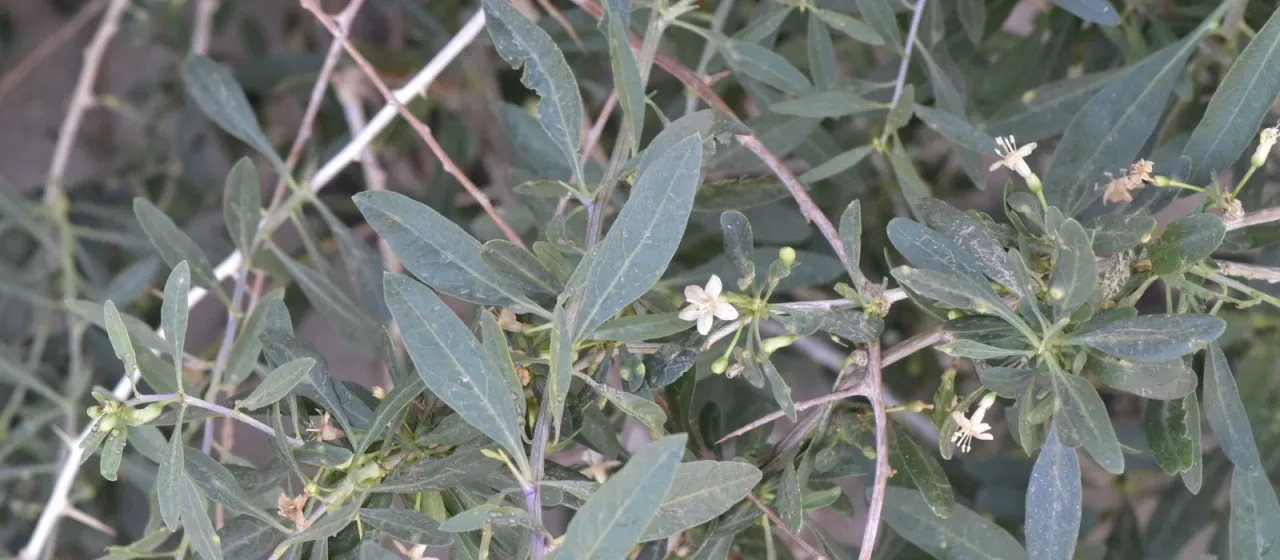
Description
Turkmen boxthorn (Lycium depressum) is a perennial shrub belonging to the Solanaceae family. This species is highly valued for its exceptional drought tolerance and ability to thrive in challenging environments, making it a staple for land reclamation projects.
Native to the arid regions of Central Asia, this plant has adapted to survive extreme temperature fluctuations and limited water availability. Its natural habitat includes semi-deserts and dry steppes, where it plays a critical role in stabilizing fragile ecosystem structures.
Botanically, the plant is characterized by its woody stems, presence of spines, and small, lanceolate leaves. It produces fleshy berries that are nutritionally dense, which is a key trait that differentiates this species within the Lycium genus.
Cultivation requires well-drained, sandy loam soils with full sun exposure. Unlike moisture-loving crops, Turkmen boxthorn is sensitive to waterlogging, necessitating a focus on irrigation management. It is a low-maintenance shrub that requires minimal fertilization once established.
The primary economic use of this plant is in agroforestry, specifically for sand dune stabilization and protecting fields from wind erosion. Additionally, the berries are gaining interest in commercial applications for their antioxidant properties, and the plant serves as a sturdy shrub for dryland landscaping.
The culture faces several common agricultural challenges:
- Root rot triggered by poor soil drainage.
- Spider mite infestations during prolonged heatwaves.
- Powdery mildew appearing during seasons of high humidity.
- Aphids that often attack tender spring growth.