
Description
The European boxthorn (Lycium europaeum) is a perennial, thorny shrub that belongs to the Solanaceae family. Known for its remarkable resilience, this species has evolved to thrive in harsh, nutrient-poor environments, making it a valuable candidate for soil stabilization and landscape restoration in arid regions.
The plant is native to the Mediterranean region, North Africa, and parts of Southwest Asia. It is geographically adapted to warm, semi-arid climates where it often dominates rocky hillsides and coastal areas. Its ability to tolerate high salinity and prolonged periods of water scarcity distinguishes it as a highly adaptable crop for specialized agricultural applications.
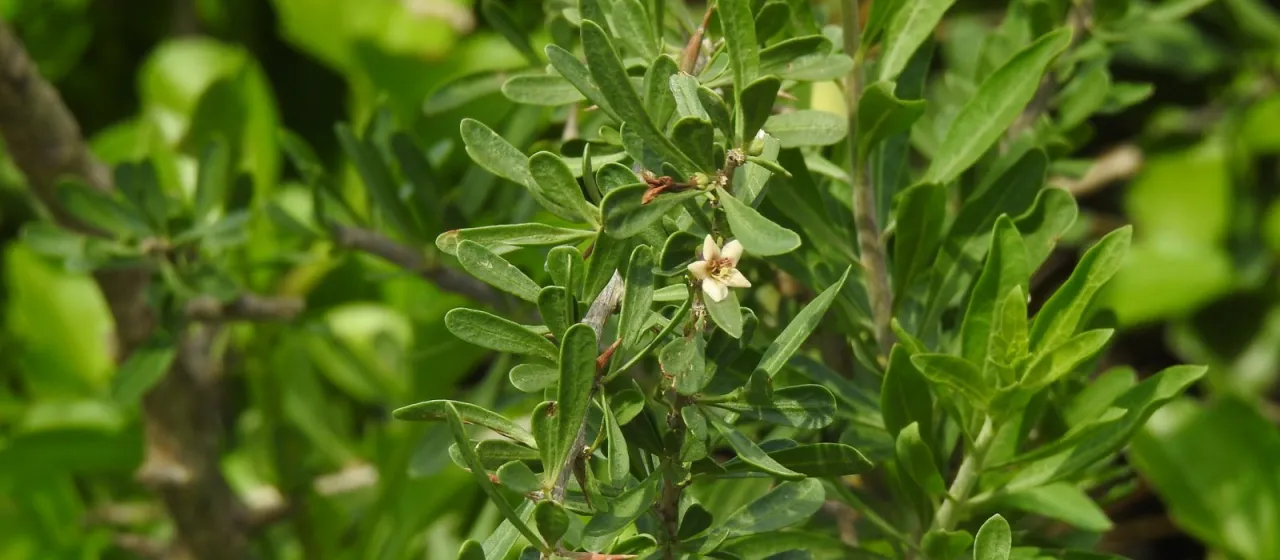
Botanically, it features a complex network of branches covered with sharp thorns, which provide a defensive mechanism against herbivores. The foliage consists of small, lanceolate, gray-green leaves, while the flowers are typically small and tubular. During the ripening process, the plant produces small, colorful berries that are characteristic of the boxthorn genus.
Cultivation requirements are relatively straightforward, focusing primarily on site selection. The plant demands full sun exposure to maintain its vigor and fruit production. It prefers well-drained, sandy, or rocky soils, as waterlogging is detrimental to its root system. Minimal fertilization is generally required, as the species is accustomed to nutrient-deficient soil profiles.
Agricultural and functional uses of the European boxthorn include:
- Erosion control in sloping or degraded land sites.
- Establishment of impenetrable, thorny, natural perimeter fencing.
- Potential use in phytoremediation for arid lands.
- Integration into xeriscaping projects for water-conservative landscaping.
Common pests include aphids and spider mites, which typically thrive on the soft, new growth during peak summer months. Fungal diseases, such as powdery mildew, may occur if the planting density is too high or if air circulation is obstructed. Regular pruning is essential to improve airflow through the dense canopy and to reduce the risk of humidity-related pathogens.