
Description
Hairy boxthorn (Lycium hirsutum) is a perennial shrub belonging to the Solanaceae family. As a hardy plant species native to arid and semi-arid zones, it is recognized for its significant resilience to environmental stressors that typically limit the productivity of traditional agricultural crops.
The geographic origin of this plant is primarily in southern Africa, where it has evolved to thrive in harsh, dry climates. Its natural range encompasses diverse landscape types, ranging from open plains to rocky outcrops. It demonstrates an impressive ability to survive in environments where water availability is highly erratic and unpredictable.
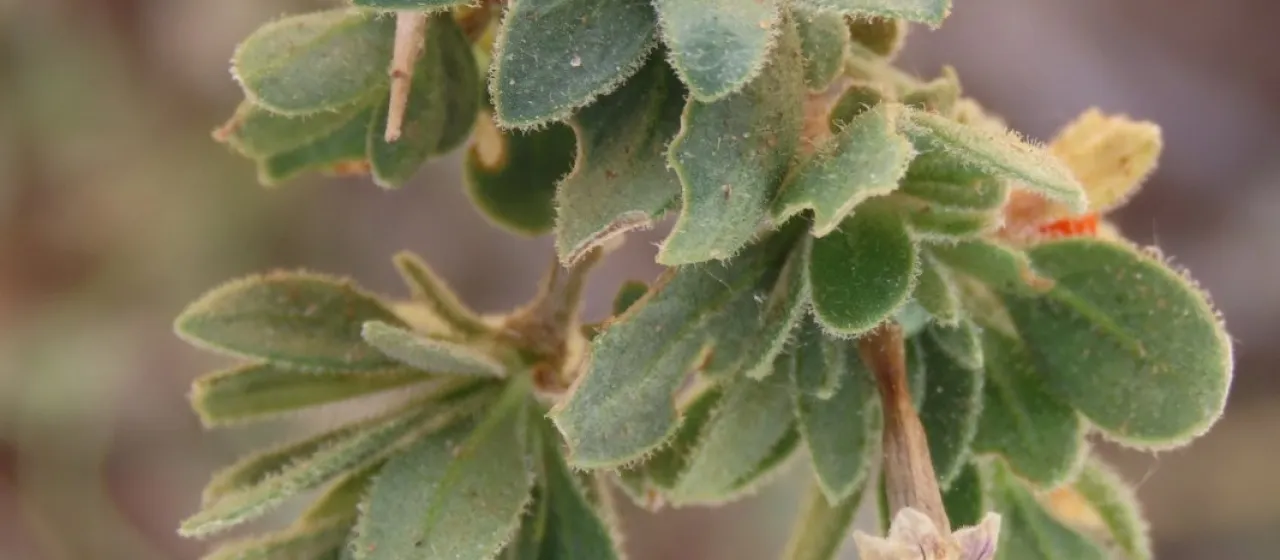
Botanically, the species is defined by the dense, hairy indumentum covering its leaves and stems, which acts as a protective mechanism against extreme solar radiation and water loss. The plant develops a robust, deep-reaching root system that allows it to tap into moisture stored in lower soil horizons, effectively stabilizing the surrounding terrain.
In agricultural settings, Lycium hirsutum requires minimal intervention. It thrives in well-drained, porous soils and is intolerant of waterlogging, which often leads to root collar rot. Maintenance primarily involves occasional structural pruning to ensure good airflow and sunlight penetration, which in turn encourages denser fruit production.
Economically, the species serves as a valuable asset for land rehabilitation and erosion control projects. Beyond its ecological benefits, researchers are exploring the nutritional profile of its fruit, which contains bioactive compounds consistent with other members of the genus. Its pest profile includes common Solanaceae insects, yet the plant often exhibits strong resistance to endemic diseases.
- High resistance to prolonged drought.
- Adaptable to diverse, marginal soil types.
- Effective biological barrier against soil erosion.
- Low fertilization requirements.