
Description
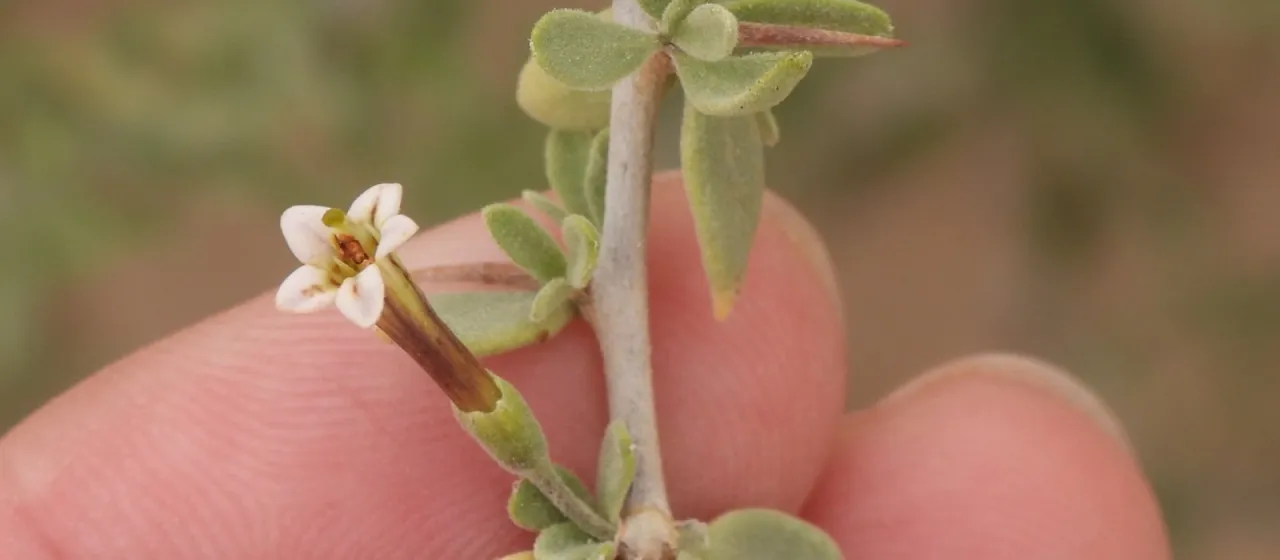
Lycium shawii is a perennial spiny shrub belonging to the Solanaceae (nightshade) family. Often referred to in a broader context as a type of desert boxthorn, it is a hardy plant species known for its remarkable ability to thrive in arid and semi-arid environments. Unlike more sensitive commercial crops, this plant has evolved mechanisms to survive in harsh conditions with limited water availability.
The native range of Lycium shawii spans across Northern Africa, the Middle East, and parts of Western Asia. It is typically found in desert ecosystems, rocky slopes, and wadi beds. The plant is well-adapted to high thermal fluctuations and is a critical component of local ecosystems, providing cover and food for desert-adapted wildlife and livestock alike.
Botanically, the species is characterized by a dense, thorny structure that serves as a protective mechanism. Its leaves are small and often succulent to conserve moisture during dry spells. The shrub produces small, edible berries that are botanically similar to common goji berries, containing various beneficial nutrients. Its root system is deep and expansive, allowing it to tap into groundwater that is inaccessible to many other plants.
Regarding cultivation requirements, Lycium shawii thrives in well-drained, sandy, or even rocky soils. It is highly drought-tolerant once established and requires full sunlight to maintain vigor and fruit production. Agrotechnical management is relatively low-intensity, focusing mainly on pruning the dense thorny branches to maintain desired shapes when used in landscape or agricultural perimeter protection.
Its primary agricultural use includes soil stabilization and wind erosion control, as well as being a resilient forage source for camels and goats. In terms of health, the plant is generally robust, though it may occasionally face issues with aphids or powdery mildew if the humidity levels rise significantly in its growing zone. Its resilience makes it a valuable genetic resource for breeding programs targeting drought-resistant crops.
- Exceptional tolerance to soil salinity.
- High adaptability to extreme heat and water scarcity.
- Effective use in anti-desertification projects.
- Minimal fertilizer requirements for sustained growth.