
Description
Oriental bugloss (Lycopsis orientalis) is an annual or biennial herbaceous plant belonging to the Boraginaceae family. Within an agricultural framework, it is recognized as a hardy crop with significant potential for dryland farming, beekeeping, and soil conservation, thriving in conditions where other traditional crops might struggle.
The plant is native to regions spanning Eastern Europe, the Caucasus, and Central Asia. It has adapted to arid and semi-arid environments, often colonizing disturbed soils, field margins, and waste areas. This natural resilience makes it a subject of interest for sustainable agriculture programs aiming to utilize marginal lands effectively.
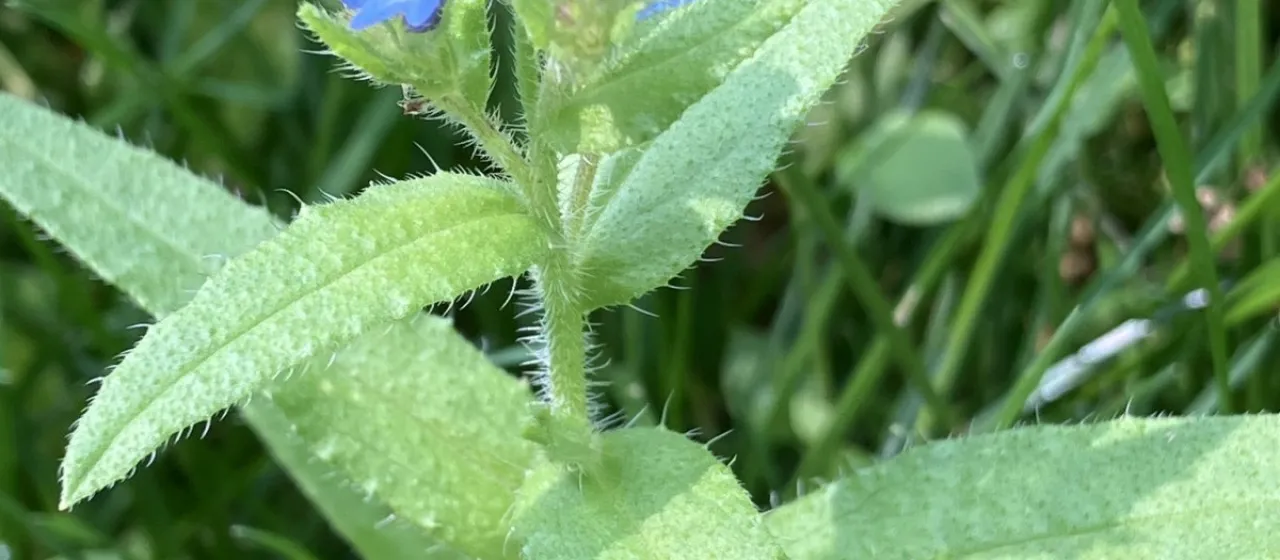
Botanically, the plant is characterized by a bristly, hairy stem and lance-shaped leaves, which are typical of the Boraginaceae family. Its most distinctive feature is the vibrant blue flower, arranged in coiling cymes. These flowers produce nectar abundantly, making the plant a preferred foraging destination for honey bees during the summer season.
Cultivation requirements for Oriental bugloss are relatively modest. The plant favors well-drained, carbonate-rich soils and full sun exposure. While it is highly drought-tolerant, early-stage weed management is critical to ensure uniform establishment. It does not require high levels of chemical fertilizer, making it an attractive option for low-input farming systems.
Economically, the primary use of this crop is in apiculture, as it serves as a reliable honey source during late bloom periods. Furthermore, it is explored for its use as forage for small ruminants and as a potential source of oil-rich seeds for industrial applications. It also serves as a biological cover, protecting soil from erosion in regions prone to extreme weather.
- Exceptional tolerance to heat and drought.
- High nectar production value for local apiaries.
- Minimal fertilization requirements compared to cereals.
- Effective cover crop for erosion control.
- Strong resistance to many common field pathogens.