
Description
Australian gypsywort (Lycopus australis) is a perennial herbaceous crop belonging to the Lamiaceae family. Often recognized for its ecological importance in its native habitats, this species has gained attention in agricultural research due to its potential as a source of phytochemicals used in the supplement and pharmaceutical industries.
Originating primarily from Australia, this plant thrives in wet environments, such as stream banks and marshy floodplains. In an agricultural setting, it performs best when provided with environments that mimic these natural conditions, ensuring consistent moisture levels. It is a hardy plant, capable of surviving various temperature fluctuations, provided the soil remains sufficiently damp throughout the growing season.
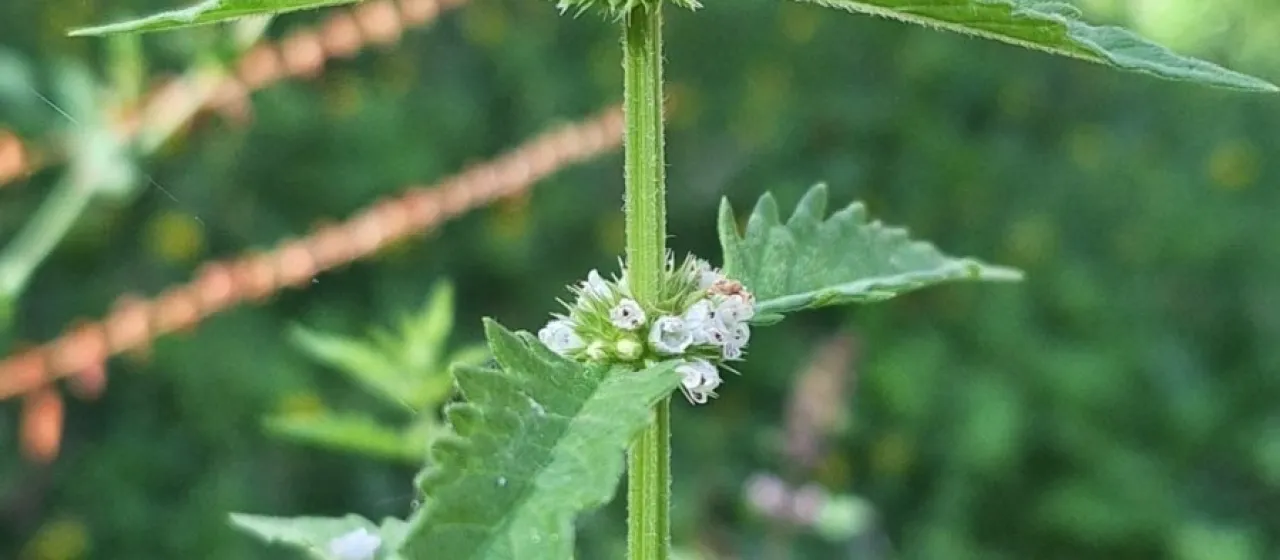
Botanically, Lycopus australis is characterized by its square, herbaceous stems and opposite, serrated leaves. The root system is quite robust, often featuring creeping rhizomes that allow for effective ground coverage. The plant typically reaches moderate heights, producing small, white or pinkish-white flowers that emerge from the axils of the leaves, which are critical for botanical identification during the vegetation period.
When planning for large-scale production, farmers must prioritize soil preparation and moisture management. The crop prefers rich, slightly acidic to neutral soils with high organic matter content. Regular irrigation is the most important aspect of its agrotechnology, as the plant does not tolerate drought conditions. Harvesting is typically conducted just before the peak of flowering to ensure the maximum concentration of active compounds in the foliage.
The primary economic use of Australian gypsywort is centered on its medicinal properties, specifically in traditional and herbal medicine applications. To maintain a healthy crop, growers should monitor for common pests such as aphids and prevent root rot by avoiding excessive soil compaction or waterlogging in fields. Good agricultural practices (GAP) include crop rotation and the use of organic amendments to boost overall plant vigor and resistance.