
Description
Gypsywort (Lycopus exaltatus) is a perennial herbaceous plant belonging to the Lamiaceae family. Characterized by its height, which can reach 150 centimeters, this species is cultivated primarily for its specialized phytochemicals. In the agricultural sector, it is recognized as a niche medicinal crop due to its unique therapeutic properties related to hormonal and cardiovascular regulation.
The plant is native to various regions across Europe and Asia, naturally thriving in habitats with high moisture content. Its preferred locations include river banks, marshy areas, and wetlands. When cultivated on a larger scale, it requires specific environmental conditions to thrive, mimicking its natural, water-abundant habitat to ensure maximum yield of medicinal biomass.
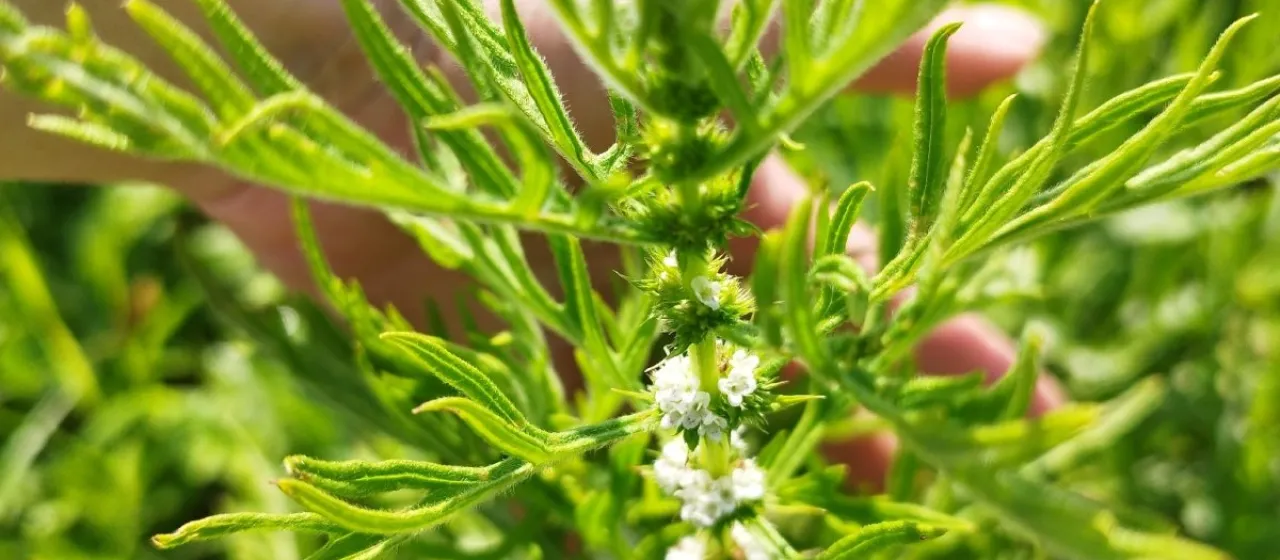
Botanically, Lycopus exaltatus features an erect, quadrangular stem and distinctively pinnatisect leaves. It utilizes a creeping rhizome to establish itself in the soil, which aids in its propagation. The flowering stage occurs during the summer, producing small, pale flowers arranged in dense whorls at the leaf axils, which distinguishes it from related mint species.
Agricultural requirements for Gypsywort focus heavily on soil moisture management and soil fertility. It thrives best in nutrient-rich loams that maintain moisture throughout the growing season. While generally hardy, the crop requires careful field management, particularly during the early growth stages to prevent weed competition and ensure the robust development of the plant base.
Management of the crop involves several critical practices:
- Maintaining high soil moisture levels through controlled irrigation.
- Applying balanced fertilizers to support vigorous vegetative growth.
- Harvesting at the peak of the flowering period to maximize active compound concentration.
- Monitoring for common pests, such as aphids and leaf beetles, which may impact leaf quality.