
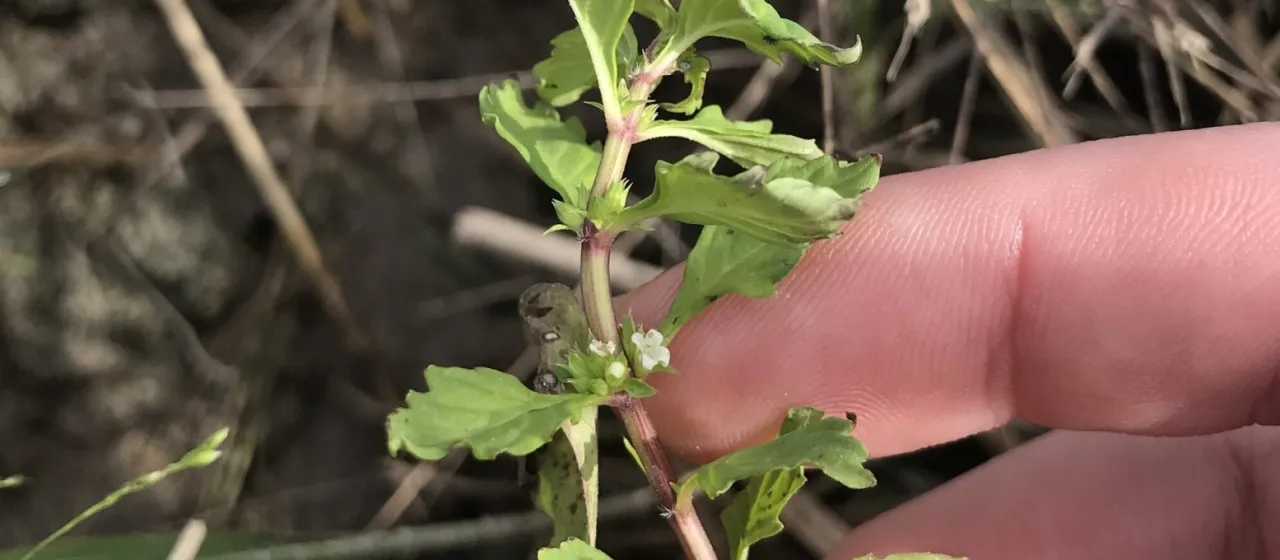
Description
Lycopus ramosissimus is a perennial herbaceous plant belonging to the Lamiaceae family. Often recognized for its distinctive growth pattern, this species requires specific environmental conditions to thrive, making it an interesting subject for specialized agricultural cultivation.
The plant originates primarily from regions in Australia. Its distribution is largely dictated by its natural affinity for riparian or wetland ecosystems, which defines its specific requirements for cultivation in agricultural settings around the world.
Botanically, the plant is characterized by its heavily branched stems and opposite, lanceolate leaves with serrated margins. The root system is robust and often rhizomatous, allowing the plant to spread effectively across moist soil substrates, forming dense vegetative colonies.
Successful cultivation of Lycopus ramosissimus relies on maintaining high soil moisture levels. The plant performs best in fertile, humus-rich loamy soils with a near-neutral pH. Proper management involves regular irrigation and careful monitoring to prevent the development of stagnant water, which can hinder plant health.
Regarding its economic importance, this plant is valued for several specific purposes:
- potential application in herbal medicine and research;
- use in landscape architecture for moist site restoration;
- preservation of plant biodiversity in experimental gardens.
As with many wetland plants, Lycopus ramosissimus is susceptible to fungal pathogens, particularly root rots and powdery mildew, which thrive in humid conditions. Integrated pest management, focusing on early detection and maintaining appropriate plant spacing, is essential for minimizing losses during the growing season.