
Description
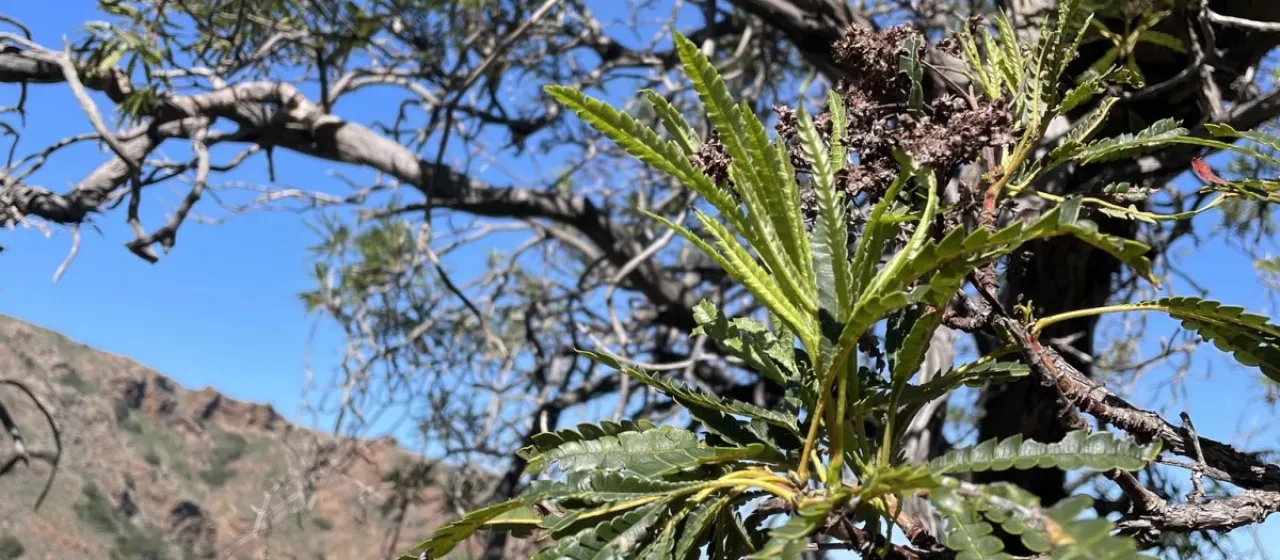
Lyonothamnus floribundus, commonly known as the Island Ironwood, is an ornamental evergreen tree belonging to the Rosaceae family. It is a monotypic genus, making it a unique botanical specimen highly prized by gardeners and collectors. Its distinctive fern-like foliage and attractive bark make it a standout choice for specialized landscape projects.
The tree is native to the Channel Islands of California, USA, where it thrives in a Mediterranean climate. In agricultural and horticultural contexts, it is grown in areas characterized by mild, wet winters and dry, warm summers. Because of its narrow natural range, the species is considered a rare exotic in many parts of the world, requiring specific environmental conditions to reach its full potential.
Botanically, Lyonothamnus floribundus is noted for its exfoliating bark, which peels away to reveal a smooth, reddish-brown trunk. The leaves are deeply lobed or divided, providing a delicate texture that contrasts beautifully with its sturdy, pyramidal form. The tree produces large, showy clusters of white flowers in late spring and early summer, which attract pollinators and add significant ornamental value.
Successful cultivation requires attention to the following aspects:
- Well-drained soil is essential to prevent root rot, as the tree is sensitive to waterlogged conditions.
- Full sun exposure is preferred to ensure optimal growth and flower production.
- Protection from high winds is necessary for younger trees to prevent structural damage.
- Moderate but consistent watering is beneficial during the establishment phase.
In terms of practical use, the Island Ironwood is primarily utilized in landscape architecture, particularly in xeriscaping or as a focal point in Mediterranean-style gardens. Due to its hardiness once established, it is a sustainable choice for environments where water efficiency is prioritized. Its unique structure and year-round green foliage provide consistent aesthetic appeal.
The tree is generally robust but can be susceptible to common pests such as scale insects, which may affect the leaves and stems. Additionally, improper drainage can lead to soil-borne pathogens. By maintaining good airflow within the canopy and performing regular health inspections, arborists can effectively manage these issues and ensure the longevity of this remarkable species.