
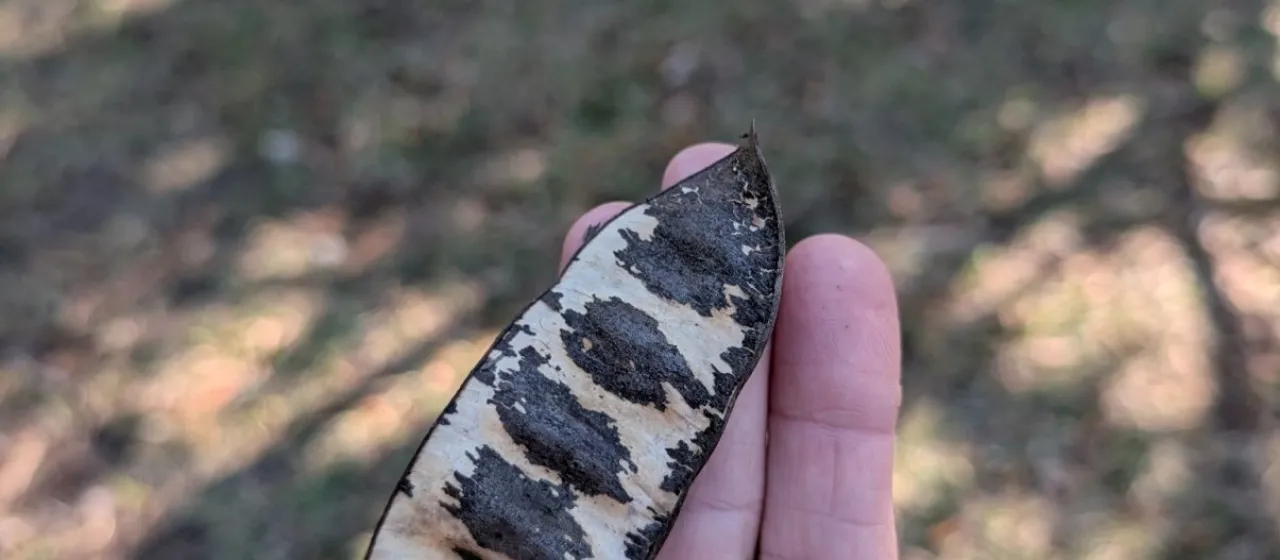
Description
Wild tamarind (Lysiloma latisiliquum) is a fast-growing, semi-deciduous tree belonging to the Fabaceae family. It is widely recognized for its elegant, feathery foliage and umbrella-shaped canopy, which provides excellent shade and contributes to a high aesthetic value in landscape architecture.
The species is native to the Caribbean, parts of Mexico, and Southern Florida. It typically thrives in tropical environments, displaying a remarkable ability to colonize rocky limestone soils and coastal habitats, which makes it a preferred choice for rehabilitating disturbed areas in warmer climates.
Botanically, the tree is characterized by its bipinnate leaves and clusters of fluffy, white-to-cream flowers that resemble small pom-poms. As a legume, it contributes to soil fertility by fixing atmospheric nitrogen through a symbiotic relationship with specific soil bacteria, enhancing the growth of surrounding vegetation.
Cultivation requirements involve full sun exposure and well-draining soil. While the species is highly drought-tolerant once established, it requires adequate irrigation during the initial development phase. It is not frost-tolerant, so its cultivation must be restricted to zones where temperatures remain consistently above freezing.
The economic and practical utility of Lysiloma latisiliquum includes its use in urban forestry and as a high-quality timber source. The wood is dense, durable, and resistant to decay, making it suitable for cabinetry, furniture production, and various exterior construction projects where longevity is essential.
- High tolerance to alkaline and rocky substrates.
- Excellent performance as a windbreak in coastal zones.
- Low maintenance once the root system is well-established.