
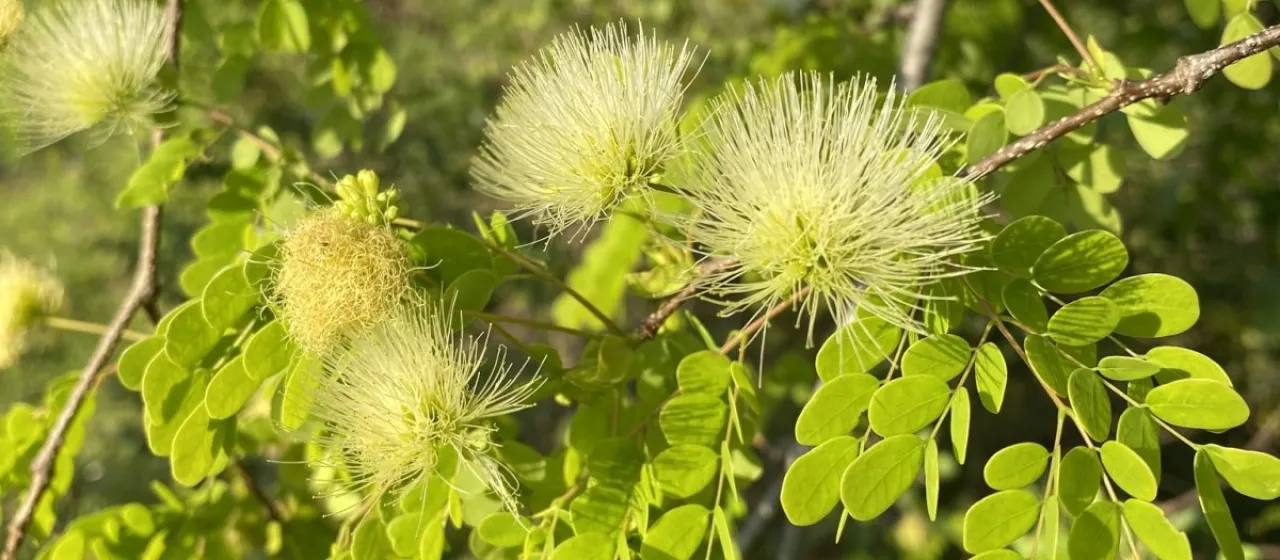
Description
Sabicu (Lysiloma sabicu) is a prominent tropical tree species belonging to the Fabaceae family. Known for its architectural beauty and ecological importance, this tree is highly regarded in both environmental conservation projects and commercial forestry for its ability to thrive in demanding tropical environments.
The species is native to the Caribbean region, including Cuba, the Bahamas, and parts of the Florida Keys. It is well-adapted to tropical climates featuring distinct wet and dry seasons. It typically thrives in areas with shallow, rocky, or limestone-based soils, which provide the necessary drainage for its robust root system to establish without suffering from root rot.
Botanically, Sabicu is characterized by its bipinnate leaves and globe-shaped inflorescences. Like many legumes, it maintains a symbiotic relationship with nitrogen-fixing bacteria, allowing it to colonize nutrient-poor soils. Its growth habit is typically spreading, providing significant canopy cover, which helps protect the soil surface from erosion and thermal stress.
Agricultural management of Lysiloma sabicu focuses primarily on the establishment phase. Young trees require protection from aggressive weeds and consistent irrigation during their first two years. Once established, the species is remarkably resilient, tolerating periods of drought and high heat, which makes it an ideal candidate for reforestation efforts in challenging terrains.
The commercial value of Sabicu lies in its high-density, durable timber. It is frequently sought after by craftsmen and manufacturers for its resistance to decay and its striking color, which ranges from reddish-brown to dark mahogany. Historically, it has been used in the production of luxury furniture, high-end cabinetry, and specialized musical instrument components.
- Highly durable and decay-resistant hardwood
- Nitrogen-fixing capabilities improve soil health
- Significant aesthetic value in tropical landscapes
- Adaptability to limestone-rich soil substrates
When managing Sabicu plantations, one must remain vigilant regarding pests such as wood-boring beetles that can exploit stressed or damaged trees. Proper site selection, regular pruning to remove dead wood, and maintaining tree health through appropriate spacing are the best strategies to minimize disease incidence and ensure the production of high-quality timber.