
Description
Lysiloma watsonii is a distinguished member of the Fabaceae (legume) family, frequently recognized for its resilience and graceful appearance. Often referred to as a small tree or large shrub, it stands out in arid environments due to its ability to thrive in challenging conditions where many other species would perish.
The species is native to the dry regions of northwestern Mexico and the southwestern United States, including parts of Arizona. Its natural habitat includes rocky slopes, canyons, and dry woodland areas. This geographical history has shaped the plant’s evolution, resulting in a tree that is perfectly adapted to climates with limited precipitation and high solar radiation.
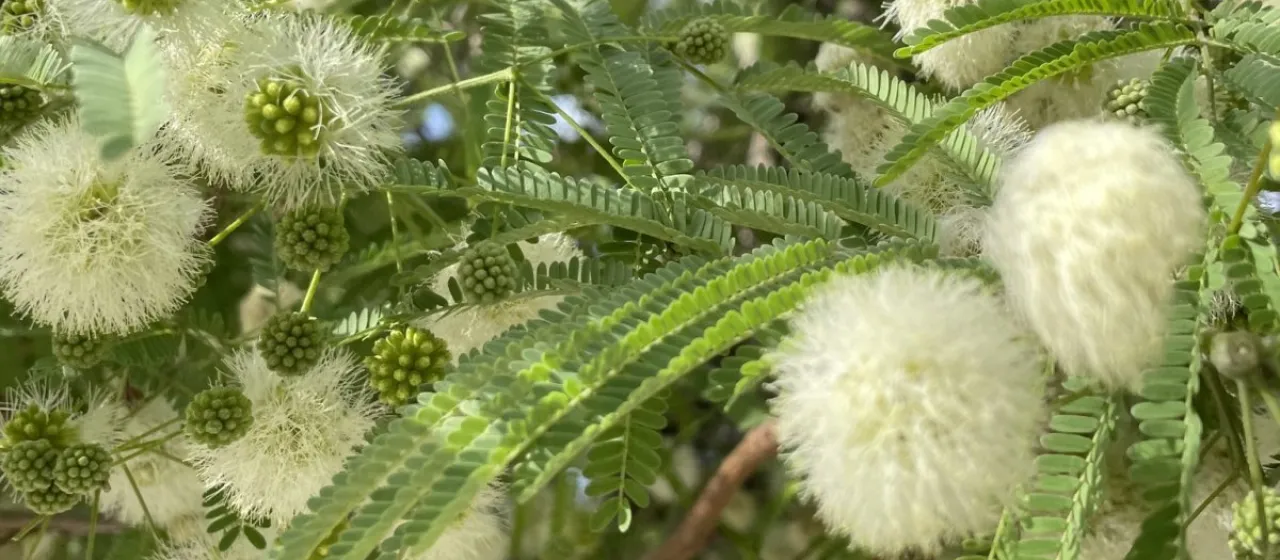
Botanically, Lysiloma watsonii is characterized by its fern-like, bipinnate leaves that provide light, filtered shade—a highly desirable trait in desert landscaping. Its flowers are distinctive, forming small, fuzzy white or cream-colored globular clusters that bloom throughout the warmer months. As a member of the legume family, it contributes to soil nitrogen levels, aiding the local ecosystem.
Cultivation of this plant requires attention to soil drainage above all else. It is highly intolerant of waterlogged soil, which can lead to rapid root decay. Once established, it is remarkably drought-tolerant and requires minimal supplemental irrigation. Full sun is essential for the plant to maintain its structural integrity and produce abundant blooms.
- Exceptional drought tolerance for water-conscious landscapes.
- Attractive feathery foliage providing dappled shade.
- Low maintenance needs once the root system is established.
- Resistant to most common pests, provided soil drainage is adequate.
- Supportive of local pollinators during the flowering season.
In terms of economic and practical use, Lysiloma watsonii is primarily utilized in xeriscaping and sustainable urban design. It serves as a vital component in erosion control on arid hillsides and acts as an excellent shade tree in public parks and residential gardens. Furthermore, its ability to survive in nutrient-poor soils makes it an ideal candidate for ecological restoration projects in its native range.