
Description
Lysiphyllum hookeri is a woody perennial belonging to the Fabaceae family, often commonly referred to as the Australian ebony or Hooker’s bauhinia. It typically grows as a small, spreading tree or a large shrub, characterized by its distinctive foliage and attractive floral displays.
The native distribution of this species spans the tropical and subtropical regions of Northern Australia. It is highly adapted to savannas and woodland ecosystems, where it thrives in environments that experience distinct wet and dry cycles throughout the calendar year.
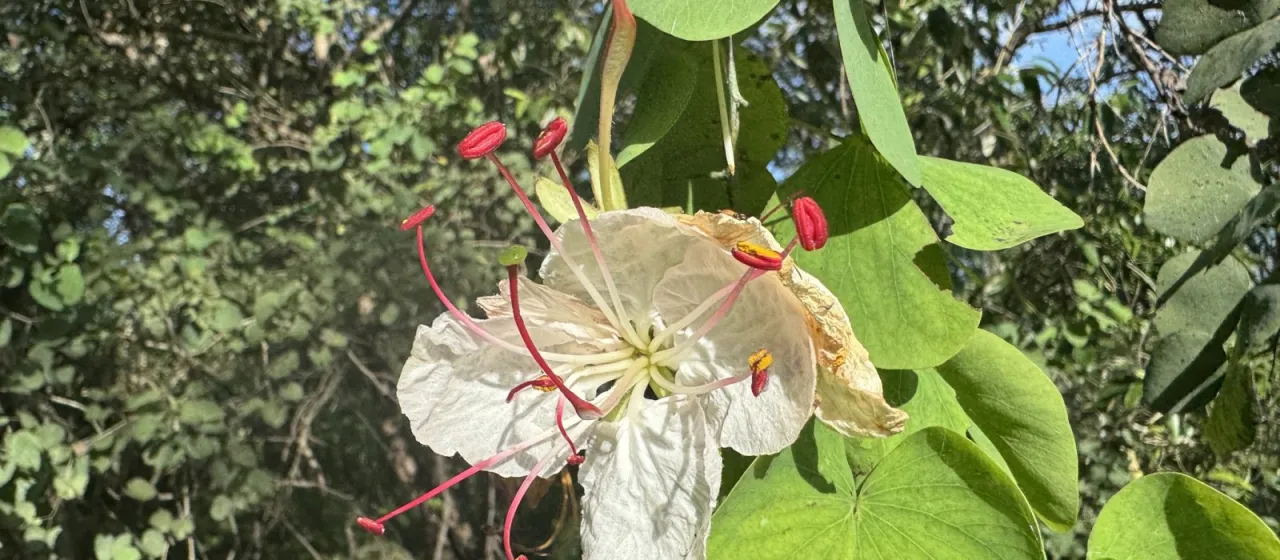
Botanically, the plant is recognized for its butterfly-like, bilobed leaves and large, showy flowers with elongated stamens. These floral structures are highly efficient in attracting local pollinators, which is critical for the plant's reproductive success and its ecological role within its native habitat.
From an agronomical perspective, Lysiphyllum hookeri requires well-drained, nutrient-poor to moderately fertile soils. It is particularly sensitive to waterlogging; therefore, planting sites must be selected with optimal drainage to prevent root rot, which remains the most common threat to the plant's health in cultivation.
The primary utility of this plant lies in ornamental horticulture and landscape design in arid and semi-arid climates. Due to its nitrogen-fixing capabilities as a legume, it also serves as a sustainable choice for soil health improvement in managed landscapes, provided the environmental conditions meet its specific needs.
- High tolerance for extreme heat
- Nitrogen-fixing root system
- Optimal growth in well-drained, sunny locations