
Description
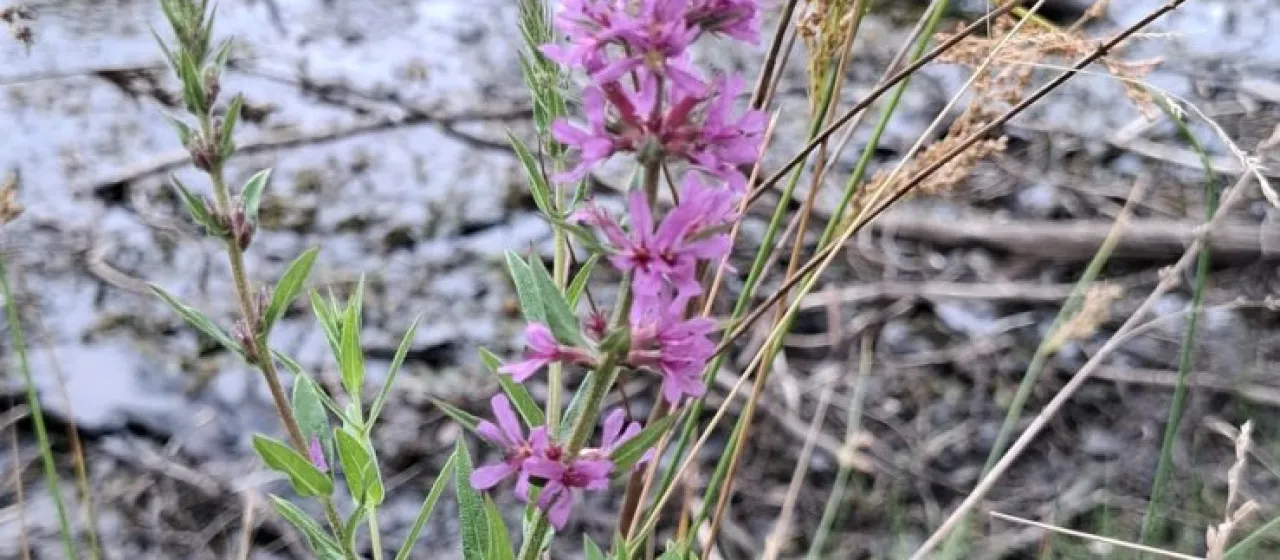
Lythrum anceps is a perennial herb belonging to the Lythraceae family. It is a specialized plant species known for its specific morphological structure and its distinct preference for wetland environments, making it a valuable subject for both botanical study and specific horticultural applications.
Native to East Asia, including regions of Japan, Korea, and China, this plant has adapted to survive in diverse riparian habitats. Its ability to withstand seasonal flooding while maintaining vigorous growth has made it a preferred choice for restoration projects and garden areas where soil moisture levels are consistently high.
The plant features upright stems that can reach heights of up to one meter, characterized by a slightly winged appearance. The foliage consists of narrow, lanceolate leaves arranged alternately or oppositely along the stem. The inflorescence is a spike-like structure composed of numerous small, vibrant flowers that bloom in mid-to-late summer.
Regarding cultivation, Lythrum anceps requires significant water availability. It thrives in loamy or silty soils that remain moist throughout the growing season. While it is hardy in many climates, it benefits from full sun exposure, which ensures the development of strong, erect stalks and profuse flowering during the peak season.
In terms of usage, the plant is primarily utilized in landscape architecture, particularly for pond margins and rain gardens, due to its soil-binding properties and aesthetic appeal. Maintenance includes monitoring for pests like aphids and ensuring that the plants are not overcrowded, as air circulation is critical to preventing fungal diseases such as powdery mildew or leaf spot.