
Description
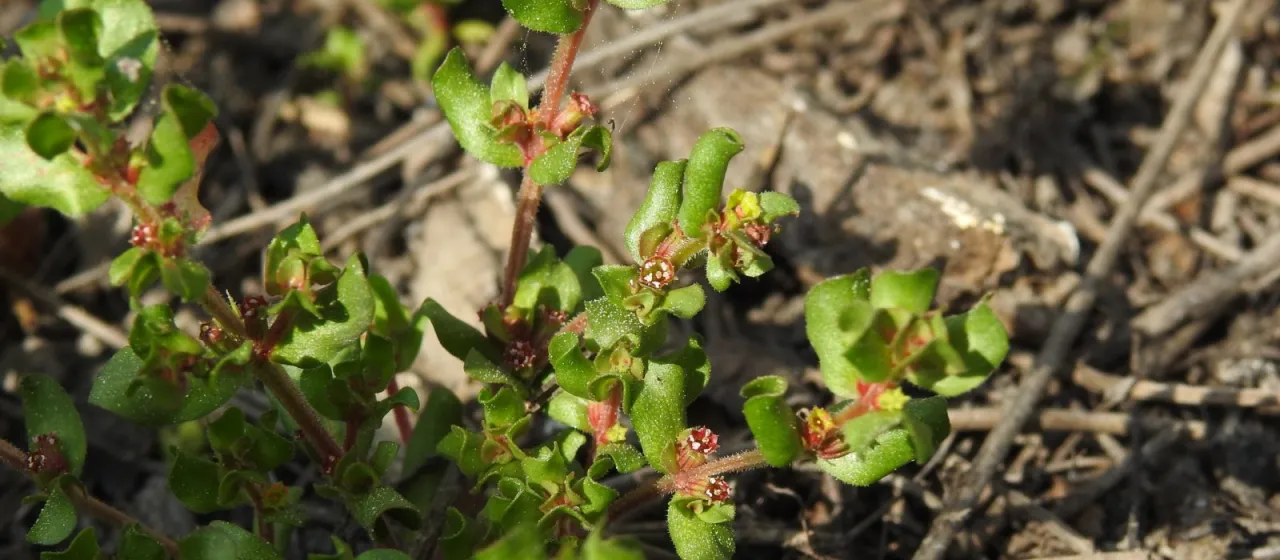
Lythrum borysthenicum, commonly known in botanical contexts by its scientific name, is a small herbaceous plant belonging to the Lythraceae family. This species is specifically adapted to riparian zones and seasonally inundated environments, reflecting its evolutionary strategy as a wetland specialist.
The native range of this plant is primarily concentrated within the basin of the Dnieper River and surrounding areas of Eastern Europe. It thrives in riverbanks, muddy shores, and damp meadows where water fluctuations occur regularly, making it a critical component of local riparian biodiversity.
Botanically, it is an annual herb characterized by its diminutive stature, typically reaching only a few centimeters in height. The stems are branched and bear small, opposite leaves. Its flowers are solitary and subtle, typically displaying a light pink or mauve coloration that emerges from the leaf axils during the summer months.
Regarding ecological and cultural requirements, Lythrum borysthenicum necessitates moist, nutrient-rich substrates and high water tables to ensure growth. It is not considered an agricultural crop in the traditional sense, but it serves as an indicator species for wetland health. Its cultivation requires careful management of soil moisture levels to simulate natural floodplain conditions.
As with many wetland species, the primary threats to its stability include:
- Drainage of wetlands for agricultural expansion;
- Changes in water flow patterns due to dam construction;
- Pollution from chemical runoff in riparian areas;
- Encroachment by invasive, non-native plant species.