
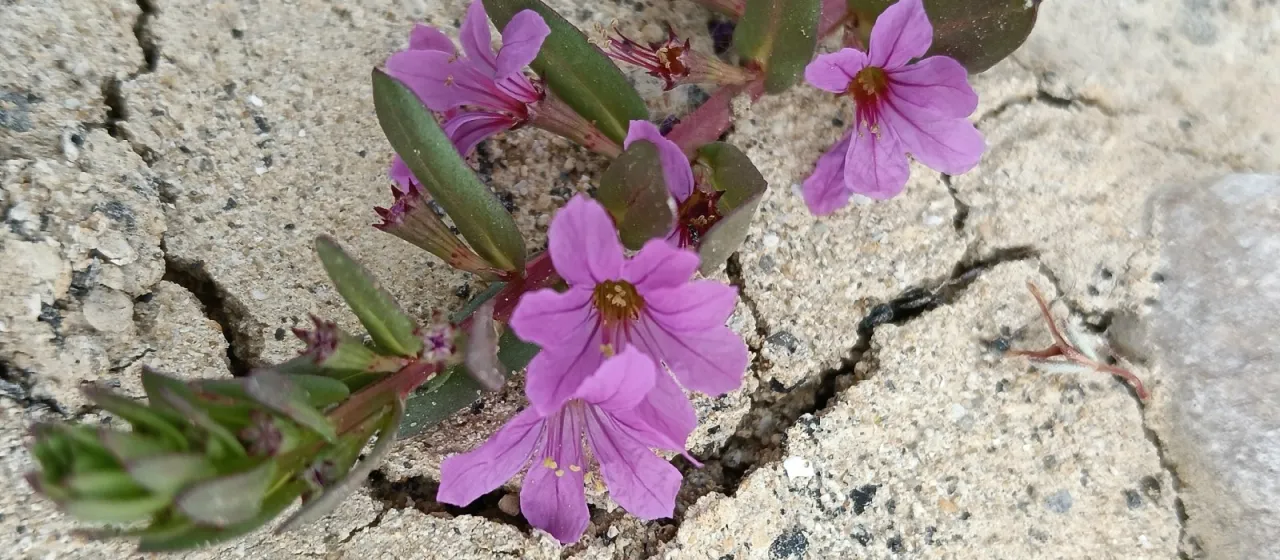
Description
Mediterranean loosestrife (lat. Lythrum junceum) is a perennial herbaceous plant belonging to the Lythraceae family. In agriculture, this species is noted for its high tolerance to waterlogged soils, making it a valuable crop for reclaiming wetlands and managing riverbanks effectively.
The plant originates from the Mediterranean basin and has naturally spread throughout various temperate zones. Its ability to colonize damp environments allows it to thrive in areas where soil moisture levels are too high for standard row crops, making it a sustainable choice for site-specific farming.
Botanically, it is a semi-shrub featuring upright, slender stems that resemble rushes. The leaves are typically lanceolate and narrow, providing a distinct appearance. During the flowering phase, the plant produces vibrant pink or purple blossoms arranged in elongated, spike-like racemes, which are highly attractive to local pollinators.
Regarding cultivation, Mediterranean loosestrife requires moist, fertile soil and full sun exposure to achieve maximum biomass yield. While it is hardy, young plantations require consistent moisture to establish a strong root system. Once mature, the plants are quite resistant to environmental stress and can withstand temporary fluctuations in soil water content.
Common agricultural and horticultural applications include:
- Erosion control in riparian zones and marshy lands.
- Extraction of bioactive compounds for traditional and modern medicine.
- Bee forage for sustainable apiary management in riparian areas.
Pest and disease management is primarily focused on preventing fungal infections caused by high humidity and poor air circulation. While the crop is relatively robust, integrated pest management (IPM) strategies, including occasional monitoring for aphids and leaf-eating beetles, are recommended to ensure optimal plant health throughout the growing season.