
Description
Chinese maackia (Maackia chinensis) is a deciduous tree or large shrub classified within the legume family (Fabaceae). Renowned for its elegant, compound foliage and attractive floral displays, this species is increasingly favored in temperate landscaping for its structural beauty and ecological benefits.
The species originates from China, where it is found in diverse mountainous and forest environments. Due to its hardiness and adaptability, it has been introduced into botanical collections and private gardens across various continents, where it serves as a robust specimen tree capable of thriving in varied temperate climates.
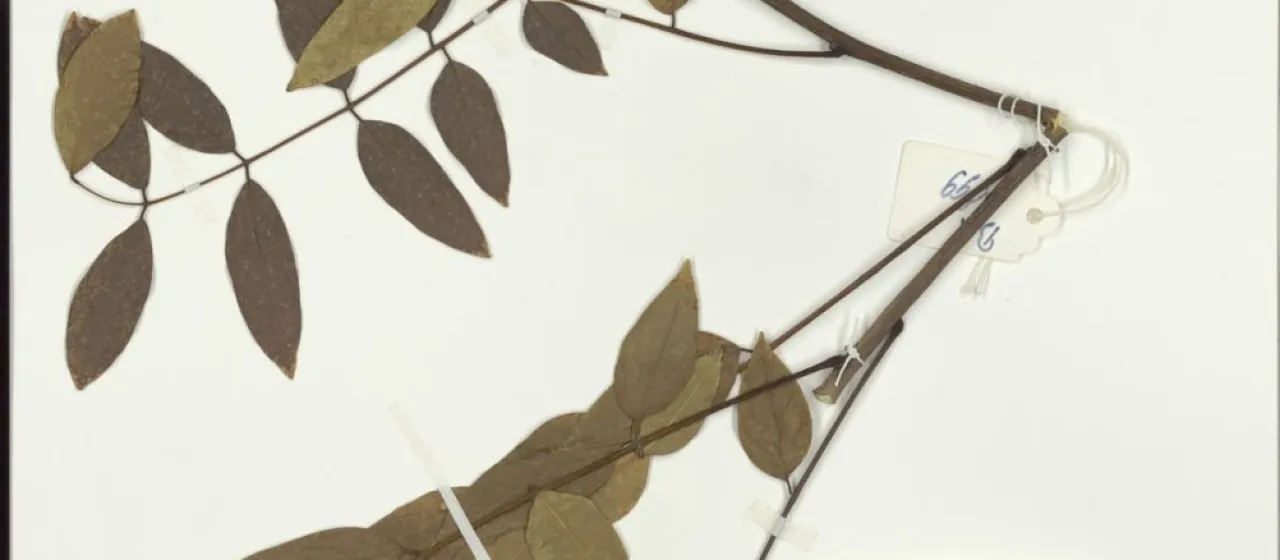
Botanically, the plant is characterized by pinnate leaves that display a silvery-pubescent texture when young. Its inflorescences are dense, terminal racemes of small, cream-colored flowers that bloom in mid-summer. The tree also produces flattened pods as fruit, which persist on the branches for an extended duration.
Successful cultivation of Maackia chinensis requires well-drained, fertile soil that maintains a slightly acidic to neutral pH. While the tree is sun-loving, it benefits from light shelter during its early developmental stages. Maintenance involves occasional pruning to maintain a strong scaffold structure and ensuring consistent moisture during the first year of establishment.
In terms of usage, the Chinese maackia is primarily valued as an ornamental tree for parks and residential landscapes. Its ability to fix atmospheric nitrogen contributes to soil enrichment, benefiting surrounding vegetation. Furthermore, it is generally resistant to major pests and diseases, provided that soil drainage is adequate and air circulation is maintained.
- Excellent choice for ornamental focal points in gardens.
- Nitrogen-fixing capabilities improve local soil health.
- High tolerance to cold once the tree is established.
- Limited requirements for heavy pruning or frequent fertilization.