
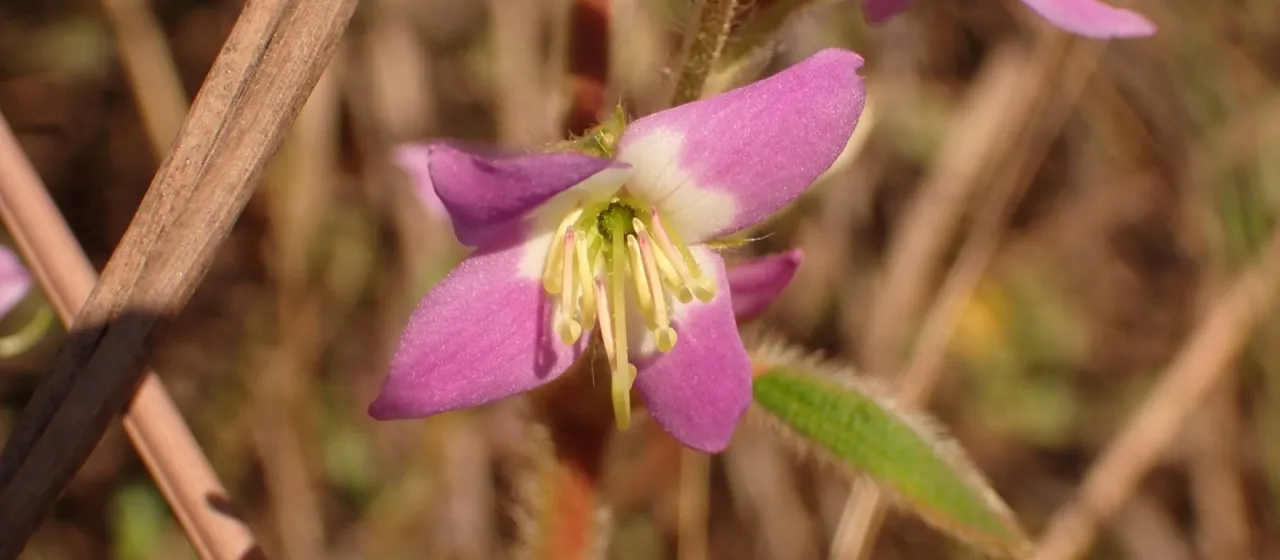
Description
Macairea radula is a perennial species belonging to the Melastomataceae family. This plant is indigenous to the tropical regions of South America, specifically Brazil, and is recognized for its unique morphological adaptations that allow it to thrive in diverse tropical habitats ranging from savannas to forest edges.
The botanical identity of this species is defined by its characteristic opposite leaves with prominent venation and dense trichomes on the leaf surface, which gives it a sandpaper-like texture. These structures are evolutionary adaptations to minimize water loss and protect the plant from herbivores in its native ecosystem.
Cultivation of this plant requires adherence to specific climate parameters, primarily focusing on maintaining high ambient temperatures and consistent moisture levels. In managed settings, the soil should be well-draining, slightly acidic, and rich in organic matter to mimic the natural floor conditions of its tropical home.
Agricultural management involves regular monitoring for pests such as tropical aphids and leaf-eating beetles, which are the most common threats to the foliage. Proper irrigation systems are essential to prevent root rot, as the plant's sensitivity to waterlogged soil is a significant factor in successful nursery or field establishment.
Economically, Macairea radula is considered a species of scientific interest. Its potential lies in the presence of secondary metabolites, making it a subject of research for natural product development and pharmaceutical applications. While not currently a staple commodity crop, its specialized attributes offer future potential in niche medicinal plant production.
- Climate: Tropical and humid conditions.
- Soil preference: Acidic, fertile, well-draining soil.
- Reproduction: Propagated via seeds or stem cuttings.
- Key challenges: Pest control and maintenance of soil aeration.