
Description
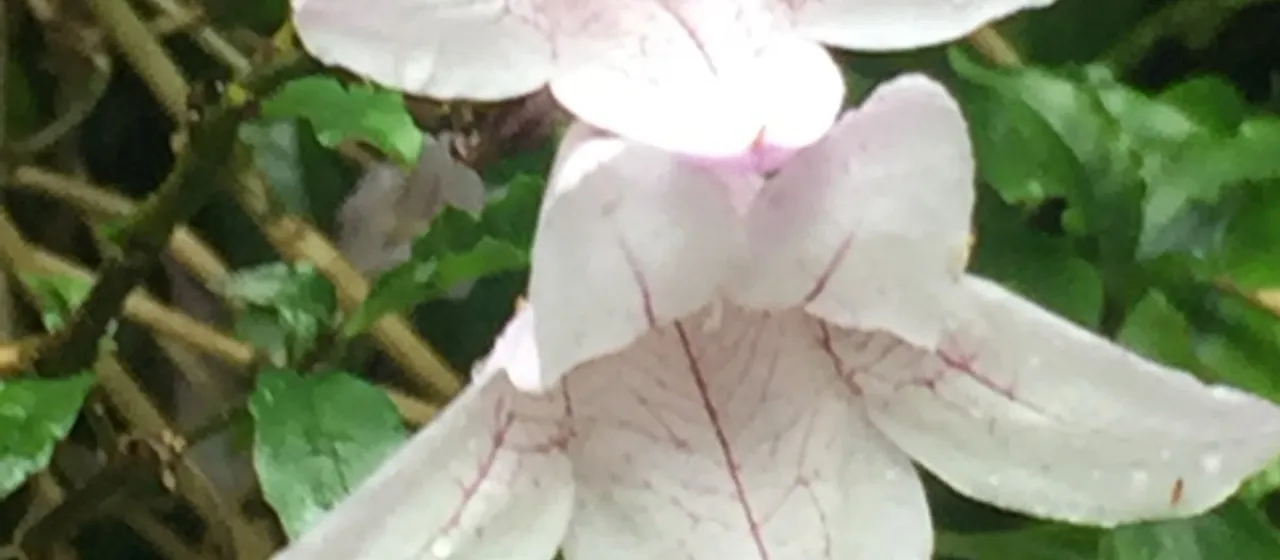
Mackaya bella, commonly known as the forest bell bush, is a stunning evergreen shrub belonging to the Acanthaceae family. This ornamental plant is highly prized for its delicate white or pale lavender bell-shaped flowers, which feature intricate purple veins that create a sophisticated and attractive appearance.
The species is native to the forest regions of South Africa. In its natural habitat, it thrives in the understory, where it is protected from intense direct sunlight. Its natural distribution suggests that it prefers warm climates with high humidity, making it an excellent candidate for semi-shaded gardens in mild geographic regions.
Botanically, it is a robust shrub that can grow up to 3 meters in height if left unpruned. It possesses glossy, dark green leaves that provide a lush backdrop for its dramatic flowering displays. The plant is prized not only for the beauty of its individual blooms but also for the impressive density of its inflorescences.
Essential cultivation practices for this species include:
- Soil: rich, well-draining soil with high organic content.
- Light: dappled shade or indirect light is ideal for optimal growth.
- Watering: consistent moisture is required, especially during the active growing season.
- Temperature: requires protection from frost and freezing conditions.
- Maintenance: light pruning after the flowering season to maintain the shrub's shape.
In terms of хозяйственного (commercial and decorative) use, Mackaya bella is widely employed in landscaping for hedging, screening, or as a focal point in shade-loving garden beds. Its ability to tolerate shade makes it uniquely valuable for urban environments where sunlight may be limited. When grown in cooler zones, it is typically managed as a container plant that must be sheltered during the winter months.
Pest and disease management is crucial for the health of Mackaya bella. It is susceptible to common greenhouse pests such as spider mites, aphids, and scale insects, particularly when air humidity is low. Root rot is the most common pathology, typically caused by waterlogged soil. Proper drainage and balanced irrigation are the best preventative measures against these issues.