
Description
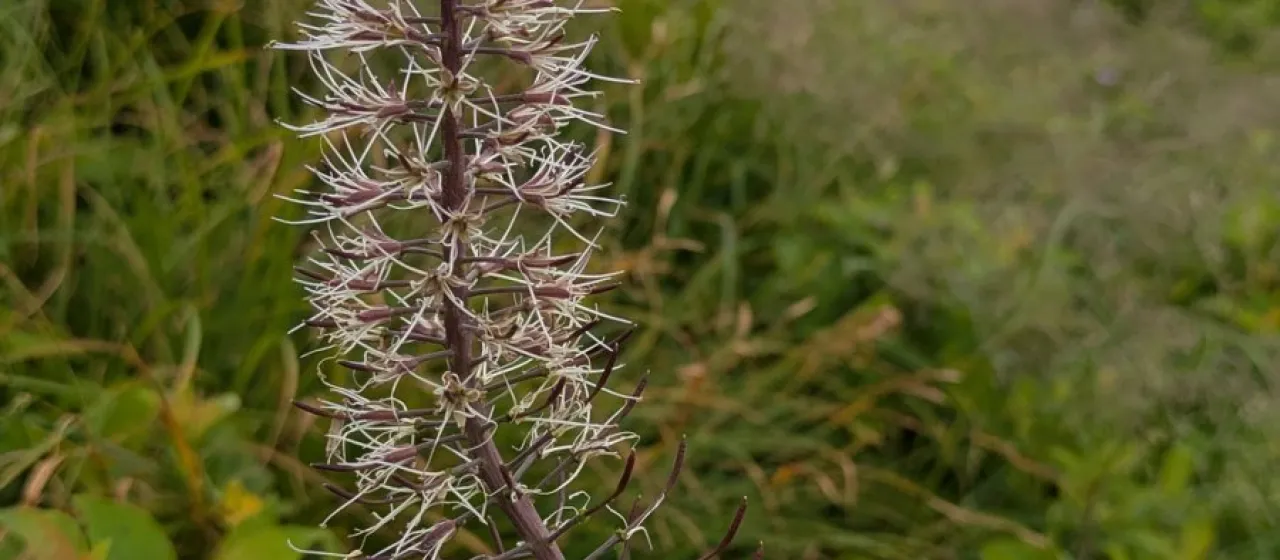
Macropodium pterospermum is a perennial herbaceous plant belonging to the Brassicaceae family. Recognized for its unique morphological characteristics, it is a fascinating botanical subject that retains many primitive traits typical of wild mountain crucifers found in specific high-latitude or high-altitude regions of Asia.
The plant originates from the mountain forests and riverbanks of East Asia. Its natural habitat is characterized by cool, humid conditions and partial shade provided by woodland canopies. These ecological preferences define its requirements when grown in a controlled environment, as the plant struggles in intense, direct sunlight or arid conditions.
Botanically, the species is distinguished by its upright growth habit and distinct silique fruits. The seeds possess wing-like structures, which facilitate dispersal in its native mountain habitats. This adaptation, reflected in its scientific name pterospermum, serves as a crucial evolutionary mechanism for ensuring the survival of the species in unstable riparian environments.
Cultivation practices for this species require careful soil management. It thrives in loose, well-draining, nutrient-rich soils that retain moisture without becoming waterlogged. Growers should ensure a site with protection from the midday sun. Propagation is typically achieved via seeds, which usually require a period of cold stratification to overcome dormancy before spring planting.
While not a major commercial crop, it is of interest to collectors of rare Brassicaceae and botanical gardens. Maintenance involves monitoring for common crucifer pests, such as flea beetles, and preventing fungal pathogens like powdery mildew. Regular aeration and balanced irrigation are the most effective management strategies to ensure a healthy crop and vigorous growth.