
Description
Macrotomia densiflora is a perennial herbaceous plant belonging to the Boraginaceae family. Known for its distinct morphological traits and significant chemical properties, this species represents a specialized niche in botanical research and potentially in industrial crop cultivation.
The plant is native to the arid and mountainous regions of Central Asia. Its natural habitat consists of rocky slopes and high-altitude steppes where it has evolved to withstand extreme environmental stress, including high solar radiation, drought, and nutrient-poor soils. This distribution highlights its resilience as a plant adapted to challenging temperate to arid climates.
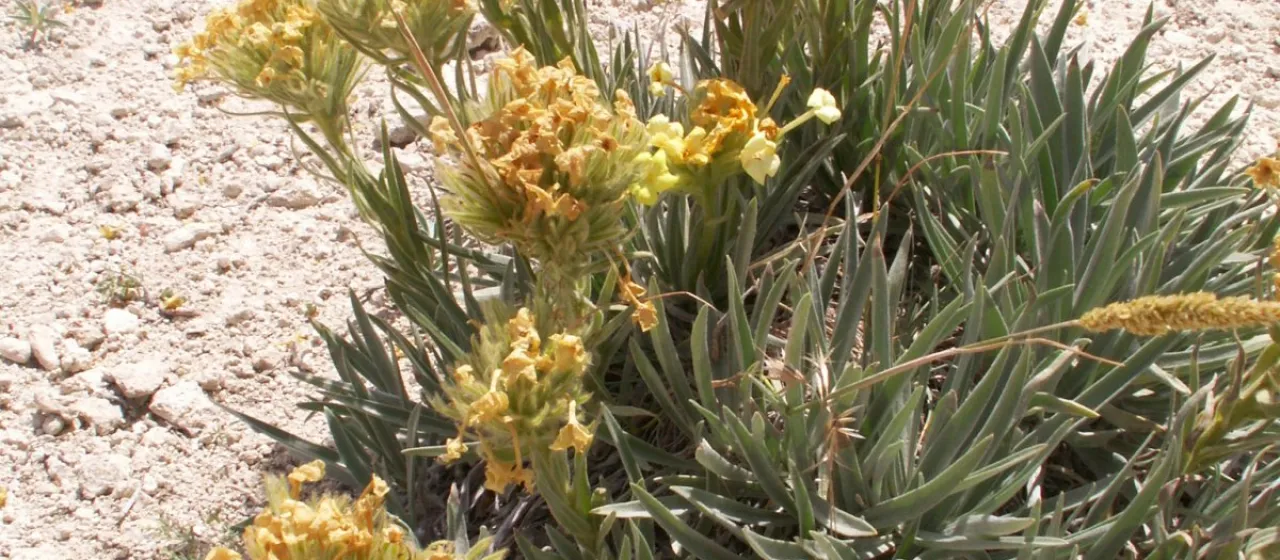
Botanically, Macrotomia densiflora is defined by its deep, fleshy root system that is often rich in red pigments. The stems and leaves are covered in dense pubescence, which serves as a protective mechanism against evaporation. Its flowers are characterized by their compact, dense inflorescences, which assist in successful seed production in open, wind-exposed environments.
Agronomic requirements for this culture are strict. The plant necessitates well-drained, porous soils with a neutral to slightly alkaline pH. Irrigation management is critical; the crop is highly susceptible to root decay if water accumulates in the root zone. Providing full sun exposure is essential for maintaining the health of the plant and ensuring the development of its secondary metabolites.
The primary utility of the plant lies in its historical use as a source of medicinal compounds, particularly naphthoquinones, which possess strong anti-inflammatory and antibacterial properties. In agricultural settings, it is important to monitor for pests such as aphids and diseases including soil-borne fungi. Sustainable harvesting of roots is crucial, as the slow growth rate of the species necessitates careful planning for commercial production.