
Description
Madhuca cuneata is a perennial evergreen tree belonging to the Sapotaceae family. It is a vital botanical entity native to the tropical forests of Southeast Asia, specifically the Malay Peninsula. This species is recognized for its ecological contribution and its potential utility as a specialized forest crop.
The tree thrives in lowland tropical rainforests where high humidity and consistent rainfall are prevalent. Its distribution is strictly limited to tropical regions, as the species is highly sensitive to temperature fluctuations and frost, which can be detrimental to its growth cycle.
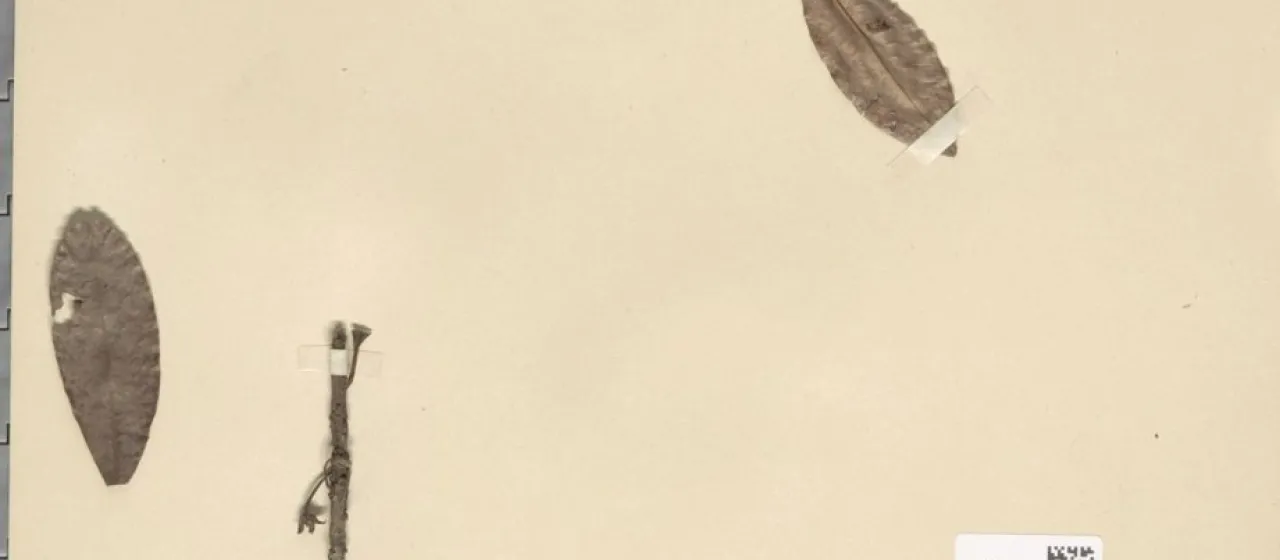
Botanically, Madhuca cuneata is distinguished by its dense foliage and unique, wedge-shaped (cuneate) leaves. It possesses a robust root system adapted to nutrient-rich, moist forest soils. The plant produces fleshy fruits and oil-bearing seeds, which are characteristic of several species within the Sapotaceae family, often holding significant potential for essential oil extraction or other phytochemical applications.
Agronomic management of this species requires a deep understanding of tropical pedology. Success depends on well-drained, acidic to neutral soil types that prevent waterlogging while maintaining constant moisture. During the nursery stage, seedlings must be protected from high-intensity sunlight, necessitating the use of canopy shading techniques to mimic the forest floor environment.
Common health challenges for this crop include infestation by wood-boring insects and fungal pathogens that affect the root cortex. Maintaining optimal distance between individual trees is essential to ensure adequate airflow and reduce the incidence of diseases. Integrated pest management, focusing on biological controls, remains the most sustainable approach for managing health in managed forest stands.