
Description
Madhuca longifolia, commonly known as the Mahua tree, is a prominent member of the Sapotaceae family. It is a large deciduous tree that plays a significant role in tropical agroforestry, primarily valued for its economic and nutritional contributions to rural communities.
The plant is native to the tropical regions of India, Sri Lanka, and Nepal. It thrives in warm, humid climates but is highly valued for its ability to withstand drought conditions, allowing it to flourish in semi-arid tropical areas where other crops might struggle.
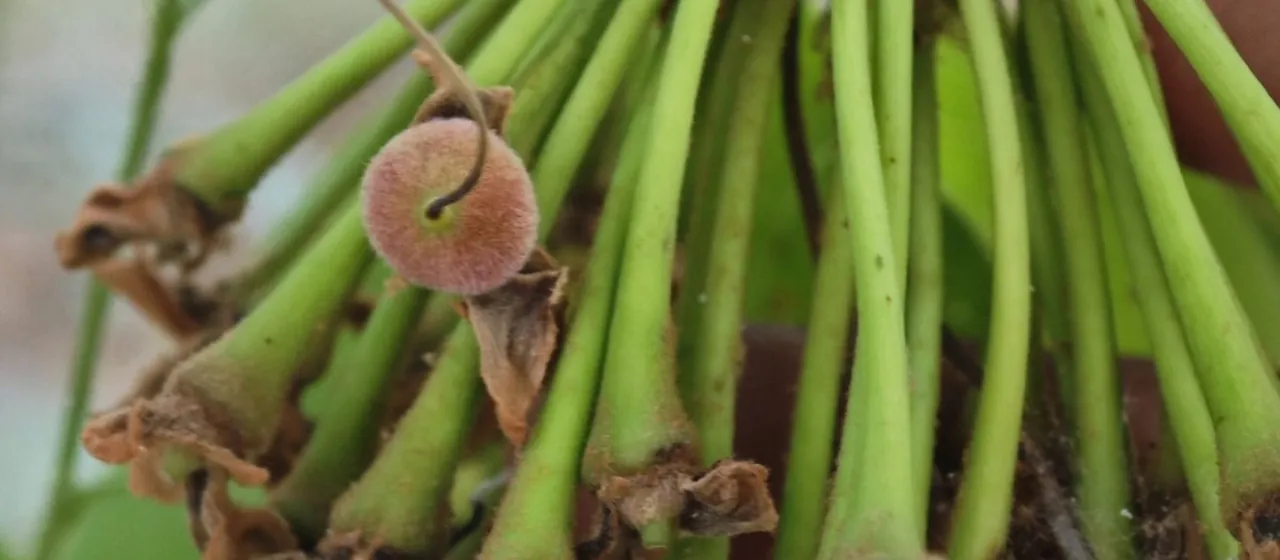
Botanically, the tree is characterized by its dense, spreading canopy and leathery leaves. The flowers are small, fleshy, and cream-colored, appearing in dense clusters. The fruit is a fleshy berry, which contains oil-rich seeds that represent the primary commercial value of the tree.
Regarding cultivation requirements, Madhuca longifolia prefers deep, well-drained loamy soils. While it is adaptable to various soil types, waterlogging must be avoided as it can lead to root diseases. Young trees require careful management, including protection from direct sunlight and irrigation until they reach a mature, resilient stage.
The tree has diverse agricultural and industrial applications:
- Oil extraction from seeds for both culinary and industrial lubrication purposes.
- Consumption of fermented flowers in traditional food and beverage production.
- Timber production from the durable, heavy-duty wood of the trunk.
- Application of seed cake as a nutrient-rich organic fertilizer for field crops.
Common agricultural pests include defoliators and borers, which can affect leaf vitality and wood quality. Integrated pest management, involving regular field scouting and the preservation of natural predators, remains the most effective strategy for maintaining high yields in commercial plantations.