
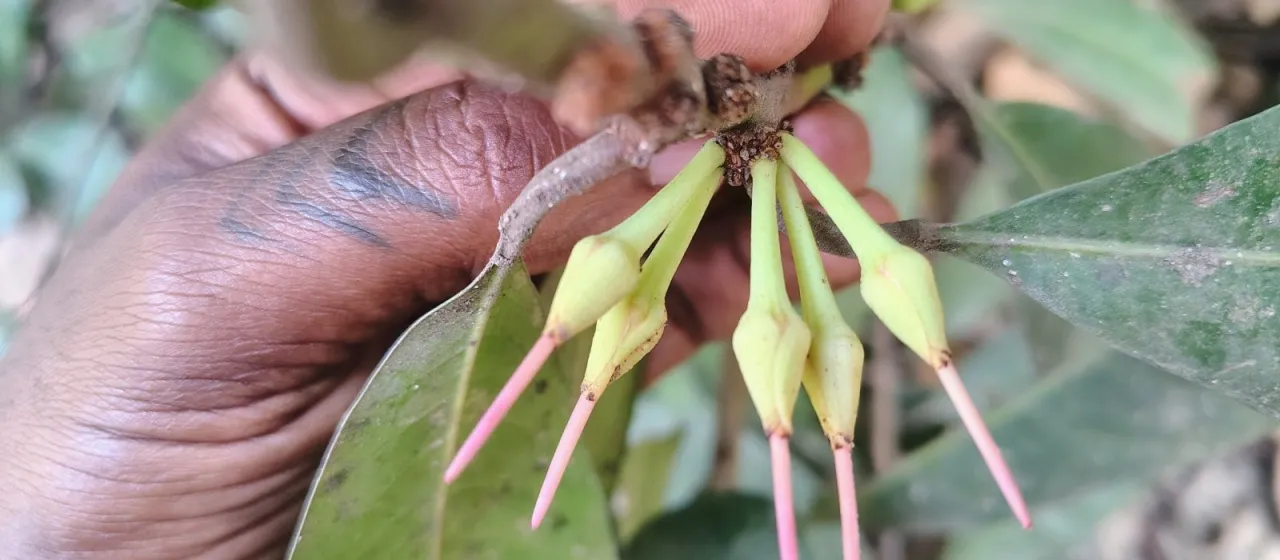
Description
Madhuca neriifolia is an evergreen tree species belonging to the Sapotaceae family. This plant is recognized for its ecological role in tropical forest ecosystems and has been historically utilized by local communities for its seeds and timber, reflecting its value as a multi-purpose botanical resource.
Native to the tropical regions of South Asia, specifically India and Sri Lanka, this species thrives in humid environments. It is commonly found near water bodies, such as riverbanks and streams, which indicates a high requirement for consistent soil moisture and a preference for riparian habitats.
The botany of the plant is defined by its dense canopy and narrow, coriaceous leaves that resemble those of the oleander plant. The tree produces fleshy berries containing oil-rich seeds, which are the primary economic focus when discussing its potential as an oil-bearing crop.
Cultivation of Madhuca neriifolia requires a stable tropical climate characterized by high humidity and consistent warmth. Successful growth depends on selecting fertile, well-draining soils that can retain sufficient water. Young plants require careful management, particularly regarding irrigation, until they establish a robust root system.
Economic and practical applications include:
- Extraction of fatty oils from seeds for industrial or artisanal purposes.
- Traditional medicinal use of leaves and bark in local healthcare practices.
- Utilizing durable timber for small-scale construction and household tools.
- Potential role in reforestation and soil stabilization near tropical waterways.
While not a primary commercial crop on a global scale, the species remains significant in regional agricultural systems. Maintenance focuses on monitoring for typical tropical pests and ensuring that the tree is not subjected to severe drought conditions, which can inhibit its development and fruit yield.