
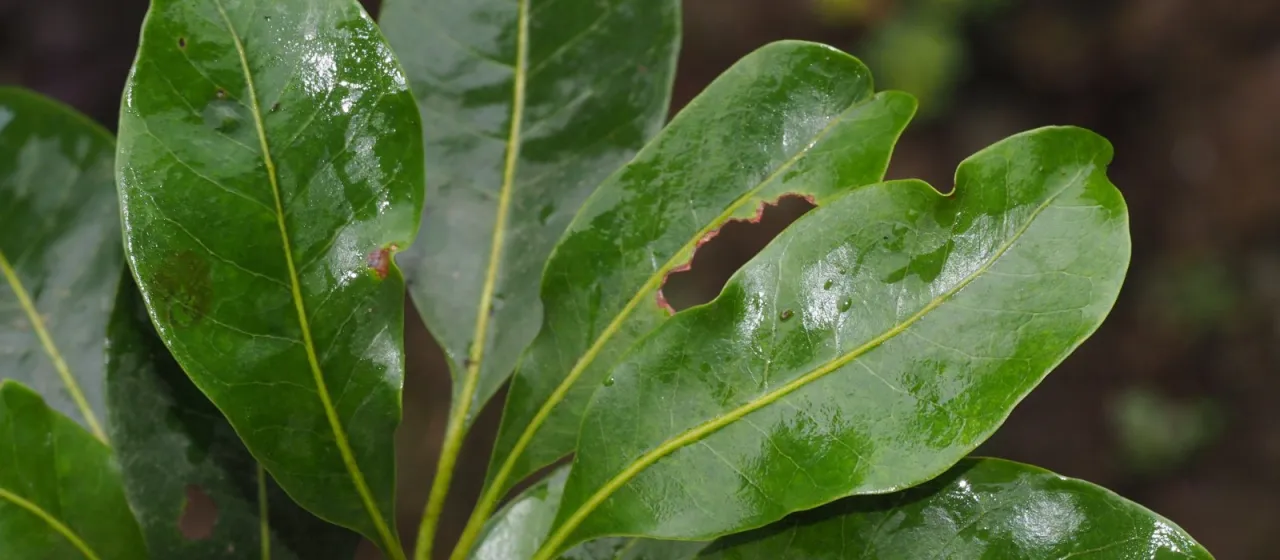
Description
Madhuca pasquieri is an evergreen tree belonging to the Sapotaceae family, highly regarded in its native regions for its ecological resilience and economic utility. It stands out among other tropical trees due to the exceptional quality of its wood and the oil-bearing capacity of its seeds, which support both local and industrial economies.
Originating from the tropical forests of Southeast Asia, specifically Vietnam and Southern China, the species is adapted to high humidity and stable temperatures. It typically grows in regions characterized by distinct tropical weather patterns, requiring a environment that supports consistent canopy growth throughout the year.
Botanically, Madhuca pasquieri features a sturdy trunk and a dense, dark green canopy. Its leaves are leathery and persistent, allowing the tree to maintain photosynthesis under varied light conditions. The fruits are succulent, containing seeds rich in fats, which is a common trait among species in the Sapotaceae family.
Cultivation of this species requires deep, well-drained, and nutrient-rich soils. While the tree can tolerate some shade when young, it prefers full exposure as it matures. Agronomic management involves monitoring soil moisture to ensure it remains sufficient for root development, particularly in the initial years, as the species is sensitive to prolonged drought periods.
The economic value of Madhuca pasquieri is manifold. The wood is prized for its high density and durability, making it an excellent material for construction and high-quality furniture. Furthermore, the oil extracted from the seeds is utilized in various industries, including the production of cosmetics, lubricants, and traditional health remedies, highlighting the versatility of this forestry crop.
- Excellent timber density and pest resistance.
- Seed oil potential for industrial applications.
- Valuable role in tropical ecosystem reforestation.
- Requirement for specific tropical climate conditions.
- Resistance to most common pests if environmental needs are met.