
Description
Musizi, scientifically known as Maesopsis eminii, is a significant fast-growing tropical tree belonging to the Rhamnaceae family. Native to the tropical forests of Africa, it has become a staple species in modern silviculture due to its rapid growth rate and high-quality timber production potential.
The natural range of this tree spans Central and West Africa, extending into parts of East Africa. It thrives in humid tropical climates and is often found in rainforest margins or secondary forests. Over the decades, it has been introduced to various tropical regions worldwide to support timber demand and reforestation initiatives.
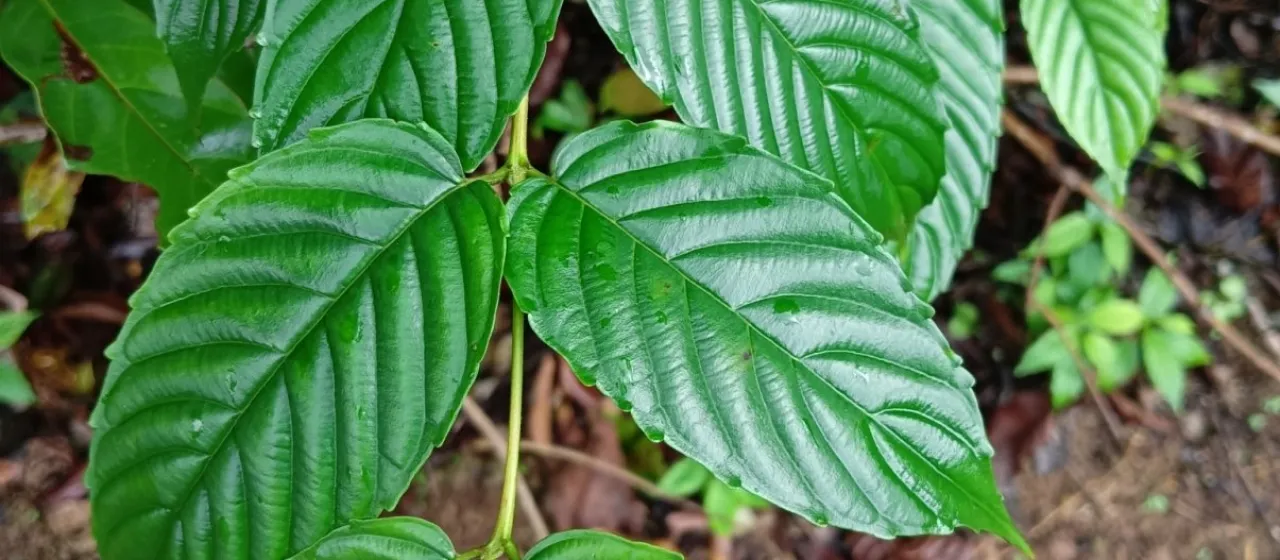
Botanically, Musizi is an evergreen tree that can reach heights of up to 40 meters. It features simple, glossy, alternate leaves and small, yellowish-green flowers. Its fruit, a dark purple to black drupe, is highly attractive to wildlife, particularly hornbills and primates, which assist in seed dispersal across forest ecosystems.
Regarding cultivation requirements, Maesopsis eminii prefers deep, well-drained, and fertile soils. It is a light-demanding species, meaning that successful plantation establishment requires thinning and clearing of undergrowth to ensure sufficient solar radiation reaches the saplings. It is generally intolerant of waterlogged soils and requires consistent rainfall for optimal development.
The wood of this species is highly valued for its versatility and ease of processing. Its primary uses include:
- Manufacturing of high-grade plywood and veneer;
- Production of lightweight furniture and interior fittings;
- Creation of construction materials and shipping pallets;
- Provision of shade for coffee and cocoa plantations in agroforestry systems.
While robust, the species can be vulnerable to specific fungal pathogens that target the stem, particularly in poorly managed or overcrowded stands. Effective farm management practices, such as maintaining correct planting density and monitoring for pest infestations, are essential to ensure the long-term health and productivity of the trees.