
Description
Malabaila graveolens is a perennial herbaceous plant belonging to the Apiaceae (parsley or carrot) family. Often identified in botanical studies due to its strong, characteristic aroma, this species serves as a valuable example of aromatic wild-growing crops that have potential for targeted cultivation in agriculture and pharmaceutical industries.
The plant originates from the Caucasus region, Asia Minor, and parts of Southeastern Europe. It is naturally adapted to diverse habitats ranging from rocky steppe slopes to transitional forest-steppe zones. Its ecological plasticity allows it to thrive in various climates, provided there is adequate sunlight and protection from soil waterlogging.
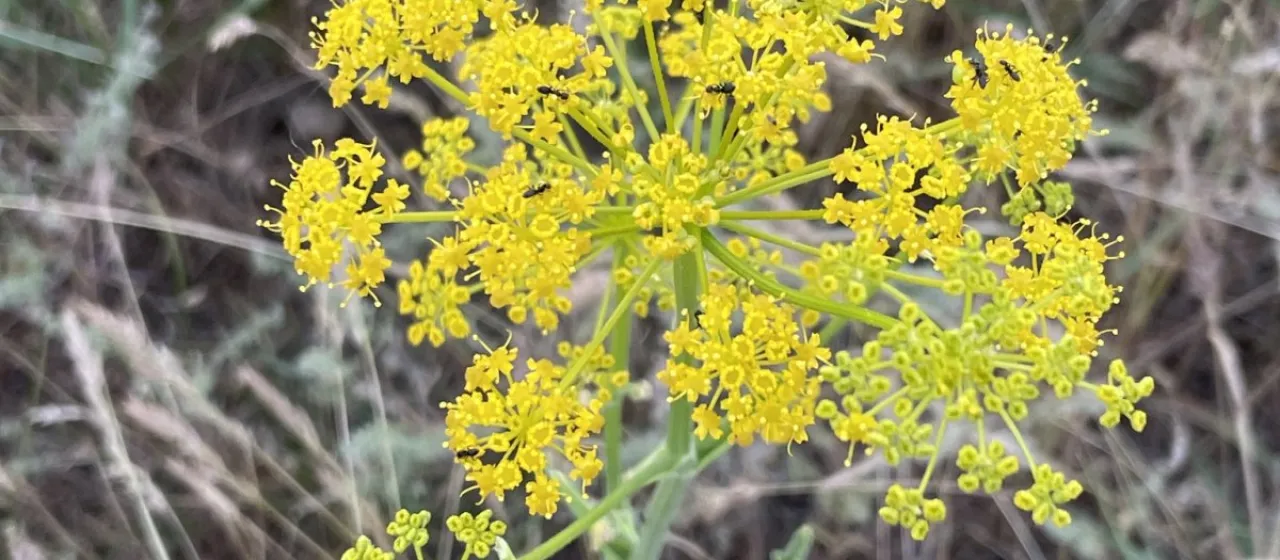
Botanically, the plant features a robust taproot system and a rigid, ribbed stem that can reach heights of up to one meter. The leaves are pinnately divided, forming a basal rosette before the stem elongates. The inflorescence consists of large compound umbels containing small, yellow flowers, which are typical for the Apiaceae family and serve as an important resource for local pollinators.
Cultivation requirements focus on providing well-drained, nutrient-rich soil. While the species is relatively drought-tolerant once established, it benefits from irrigation during the peak growth phases. Good agricultural practice involves regular weeding and loosening of the soil surface to ensure oxygen penetration to the root zone. It is a hardy plant, capable of surviving harsh winters with minimal protective intervention.
The primary areas of economic and хозяйственное use include:
- Extraction of essential oils for specialized industrial applications.
- Traditional medicinal uses based on antimicrobial properties.
- Inclusion in xeriscaping or naturalistic landscaping projects.
- Potential use as a honey plant in rural areas.
As with other umbellifers, this crop is susceptible to certain pathogens, primarily fungal infections like powdery mildew, particularly in humid weather conditions. Pests such as the parsnip moth or aphid colonies may target the floral parts. Management strategies include crop rotation, proper spacing to ensure air circulation, and the judicious use of biopesticides to maintain plant health and productivity.