
Description
Malcolmia chia is an annual herbaceous plant belonging to the Brassicaceae family. It is a notable representative of the Mediterranean flora, valued in specialized agricultural and horticultural contexts for its resilience and ability to thrive in challenging, dry environments where other plants might struggle to survive.
The native range of this species is primarily centered in the Eastern Mediterranean, particularly within the Greek islands and surrounding regions. It has adapted to thrive in harsh, sunny climates characterized by seasonal variability. The plant is well-suited for regions that experience mild winters and distinctively warm, dry periods throughout the spring and early summer.
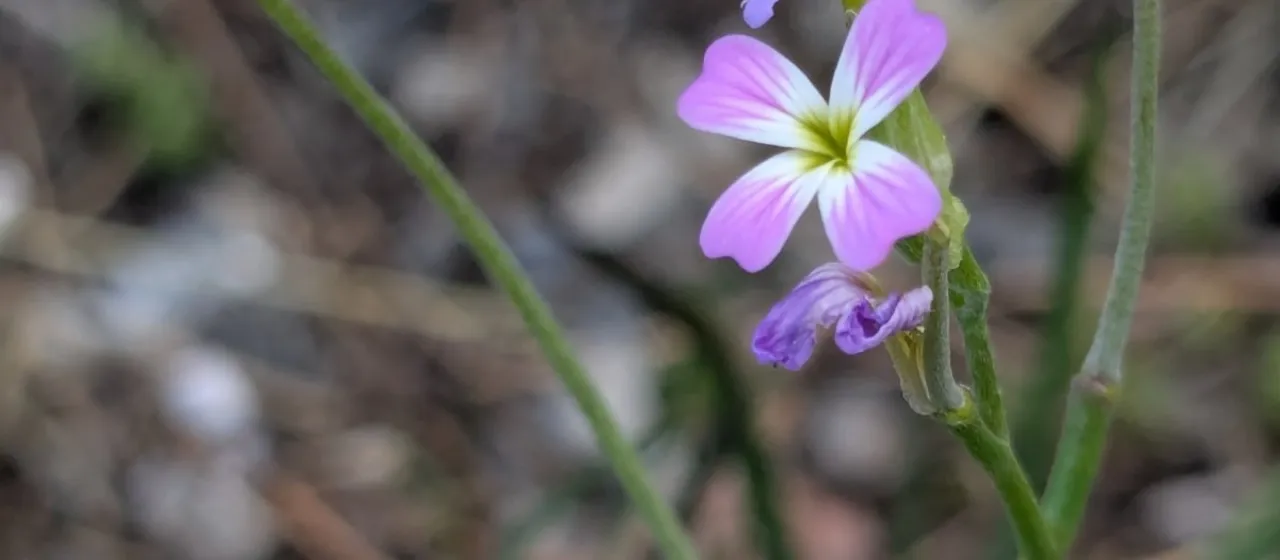
Botanically, the species is defined by its pubescent foliage, which serves as a protective adaptation against excessive transpiration. The stem structure allows for a spread of delicate flowers that range in shades from pale pink to violet. Its life cycle is strictly annual, requiring the plant to produce a high volume of seeds to ensure regeneration in the following season.
Agricultural requirements for Malcolmia chia focus on soil aeration and drainage. It prefers light, sandy or loamy soils with a neutral pH. While it is highly drought-tolerant once established, the germination stage requires consistent but light moisture. Avoid overly rich soils, as they may lead to excessive foliage growth at the expense of floral development.
In terms of хозяйственное (economic/practical) use, the plant is primarily employed in sustainable landscaping, erosion control on dry slopes, and xeriscaping. Common pests include flea beetles, which are typical for Brassicaceae family members, and various fungal pathogens if the soil drainage is inadequate. Proper spacing and avoiding overhead irrigation during peak humidity are the best cultural practices to prevent these issues.