
Description
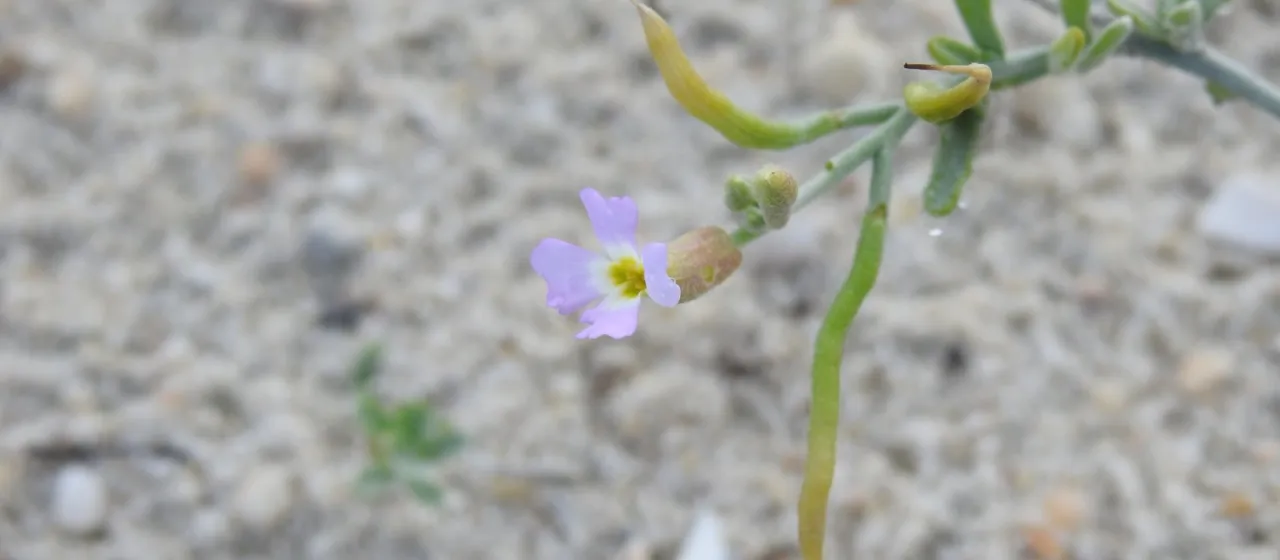
Malcolmia ramosissima is an annual herbaceous plant species belonging to the Brassicaceae family. It is recognized for its branched growth habit and its biological adaptation to arid environments, making it a subject of interest for both decorative horticulture and soil stabilization in semi-arid regions.
The native range of this species extends across the Mediterranean basin, North Africa, and parts of Southwest Asia. As a crop adapted to harsh climates, it thrives in environments that receive significant sunlight and experience limited annual rainfall, showcasing high resilience to temperature fluctuations typical of its natural steppe habitats.
Botanically, the plant is characterized by its densely branched stems and narrow, pubescent leaves that minimize water loss. The flowers are generally small but abundant, presenting colors ranging from white to pale purple, arranged in racemes that typically appear during the spring and early summer growth cycles.
Regarding cultivation requirements, Malcolmia ramosissima demands well-drained, sandy or light loamy soils. It is highly intolerant of waterlogging, which can rapidly lead to root decay. Successful agricultural management involves choosing sites with full exposure to sunlight and providing irrigation only when the top layer of soil has completely dried out.
In terms of plant health, there are several biological threats that producers should monitor during the vegetative stage to ensure optimal development. Common management challenges include:
- Infestations by crucifer flea beetles during the seedling stage.
- Development of fungal infections if soil aeration is insufficient.
- Aphid pressure that often increases during transitional weather periods.