
Description
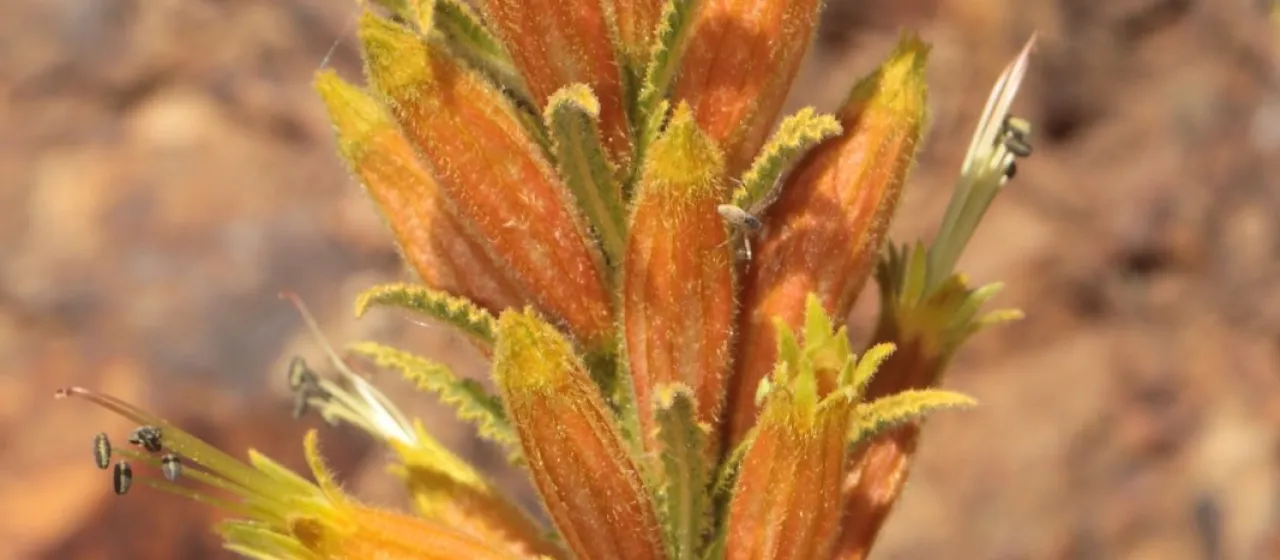
Malesherbia tubulosa is a rare herbaceous or subshrub species belonging to the Malesherbiaceae family. This plant is a unique inhabitant of the Andean ecosystems, characterized by its specialized morphology that allows it to thrive in high-altitude, arid environments where many other plant species struggle to survive.
The origin of this culture is traced back to the dry mountainous regions of South America, specifically in Peru and Chile. Over time, the plant has developed survival strategies against extreme ultraviolet radiation and significant diurnal temperature fluctuations, making it a highly resilient species adapted to life on steep, rocky mountain slopes.
Botanically, Malesherbia tubulosa is recognized by its erect growth habit and characteristic tubular flowers, which are structurally designed for specific pollinators. The leaves are typically pubescent, a biological adaptation to reduce transpiration and conserve moisture in a climate that is frequently characterized by prolonged drought and low relative humidity.
Agricultural and cultivation requirements are centered around imitating its native habitat. The plant demands a highly porous, well-draining substrate, such as a mixture of sand and gravel, to prevent waterlogging. Excessive moisture is the primary cause of root failure. Cultivation is best suited for climates with high solar intensity and good air circulation to maintain plant health.
While not a mainstream commercial crop, Malesherbia tubulosa holds interest for botanical research and potential inclusion in xeriscaping or ornamental gardening for arid climates. Common challenges in maintaining the species include the risk of fungal infections such as root rot if the watering regime is not strictly controlled. Pest management involves monitoring for typical sucking insects in dry conditions.
- High demand for bright, direct sunlight.
- Requirement for low-nutrient, fast-draining soil.
- Sensitivity to high humidity and stagnant air.
- Drought resistance once established.